Support Local. Stay Informed. Strengthen Jamestown and the Greene County region. The Jamestown Comet.com was founded in 2009 and named after one of Jamestown, Ohio’s original newspapers. The publication is online only (for the moment) and exists for one simple reason: to serve our community with clear, accurate, and independent local journalism. No clickbait. No political agenda. By becoming a Patreon supporter, you’re helping ensure that Jamestown’s stories continue to be told—honestly, thoughtfully, and without outside influence. For $5 per month, you directly support reporting that focuses on the issues, people, and events that matter right here at home. (Click to Subscribe) Local journalism is often the first to notice changes, ask hard questions, celebrate successes, and hold institutions accountable. When local news disappears, communities lose more than headlines—they lose connection, context, and trust. Your support helps prevent that.
As a subscriber, you’ll benefit from:
Reliable local news you won’t find on national sites or social media feeds
Clear, locally focused weather coverage that helps you plan your day, not just scan a forecast
Insightful commentary grounded in personal experiences and reality—not clickbait or recycled talking points
A stronger, independent voice dedicated to covering our community, consistently and responsibly
Your membership helps fund reporting, writing, editing, and publishing—all done with the community’s best interests in mind. Our owner is our editor and publisher, and we don’t chase algorithms—just a commitment to honest local journalism. And when there’s a commentary, we say so – just like Cronkite and Murrow. Editor’s Note: Literacy and a Free Press are quintessential to a thriving democratic society. Our job is to resist and work against censorship, attempts to silence journalists, and intimidation tactics toward journalists and publications by any government agency. – Gery L. Deer, Founder, Editor, & Publisher The subscription is $5 per month, and you can cancel anytime. No long-term obligation—just meaningful support for a vital local resource. If you believe informed communities are stronger communities, we invite you to become part of The Jamestown Comet and help keep local journalism alive.
Jamestown, OH – In a move that will delight grammarians, confuse absolutely no one, and mildly disappoint fans of Roman numerals everywhere, writer Gery Deer’s long-running column, Deer In Headlines II is officially dropping the “II.”
As it was when it first hit newsprint in 2008, from this point forward, the column will simply be known as Deer In Headlines.
No sequel. No reboot. No director’s cut.
Just Gery Deer and his outlook on the world.
The change quietly debuted with the first edition of January 2026, though longtime readers may have noticed immediately—because readers always notice. Especially when something changes that didn’t really need changing, but made sense anyway.
The original column ran from 2008 – 2018 under the name, “Deer In Headlines.” When Deer restarted the series in 2023, the “II” was added as a nod to the way movie sequels were numbered in the 1980s. However, the designation was never meant to suggest a second act so much as a return engagement. When Deer In Headlines reappeared after a five-year hiatus, the numeral was added to signal both its comeback and a slightly evolved identity—new angles, broader themes, and a tone that reflected the times as much as the writer.
But time, as it often does, flattened the distinction. “My column resonates with readers of all backgrounds and interests,” Deer explained. “It might make you happy, or sad. It can anger you or motivate you. Whatever the response, I’ve done my job and it’s time to keep the brand more cohesive—one or two, it’s all Deer In Headlines.”
And that, in true Deer In Headlines fashion, is the point.
The column has never been about numbering systems. It’s been about observation—sometimes sharp, sometimes sentimental, often inconvenient, and occasionally uncomfortable. It’s a space where headlines become excuses to talk about people, priorities, contradictions, and the quiet moments between the noise.
Over the years, Deer In Headlines has grown into more than a weekly column. It is the lead feature of the online news outlet TheJamestownComet.com, and appears every Friday in the print and digital editions of the Xenia Daily Gazette and Fairborn Daily Herald, as well as the weekly Beavercreek News Current.
The name also anchors the Deer In Headlines podcast, where many of the column’s themes are expanded, unpacked, and occasionally challenged. The podcast often explores the origins of a column, the thinking behind it, and the conversations it sparks—available on most major streaming platforms, including iHeartMedia and Amazon Music.
Dropping the “II” isn’t an ending. It’s not even a beginning.
It’s simply a reminder that whether the headline makes you nod in agreement, shake your head in disbelief, or pause longer than you expected— it’s all still Deer In Headlines.
Change in our lives comes in two speeds, and neither of them bothers to ask our permission. It either creeps along like a stubborn snail crossing a sidewalk, or it arrives so fast we wake up wondering who moved the furniture while we were asleep. Slow change is invisible because it’s gradual. Fast change is invisible because it’s overwhelming. It reminds me of the Latin phrase, “Festina Lente,” which means, “make haste, slowly.” Either way, we rarely recognize those significant moments of change until after they’ve happened.
I think our lives are divided into chapters or acts, like a play. Each one is marked by some moment, some Rubicon we didn’t know we were crossing at the time. That moment signals a new direction, usually unexpected and rarely announced with trumpets or a warning label. There’s no narrator to step forward and tell us this is Act Two. Life just keeps going, and we keep improvising.
Some people believe those moments don’t exist at all, that life is simply a continuous stream of overlapping events pushing us forward with little control. Others, like me, are convinced that fate is a convenient myth. Our lives are driven by choices. We make decisions based on circumstance, opportunity, fear, optimism, and experience. Those decisions quietly determine what comes next.
When real change happens, there is a moment when something nudges our lives in a new direction. The frustrating part is that we only notice it in hindsight. One of mine occurred in October of 1987, while reading the classified ads in my college newspaper. I needed a job. Buried among the listings was a small notice that the paper was hiring staff writers.
Less than an hour later, my writing career began. I was an engineering student with no sense that a decision made from necessity and desperation would shape the rest of my working life. I didn’t feel a shift. There was no lightning bolt. I just filled out an application.
Years followed in engineering and technology, but I kept writing. Newspapers. Technical publications. Industry magazines. Software manuals. The transition from a technical career to a creative one didn’t happen overnight. It was painfully slow, full of doubt, subjectivity, and rejection. Writing is a hard business in which to make a name, and I’m still working on it.
Along the way, I changed direction more than once. Demand shifted. Markets changed. The economy had opinions. Some pivots worked. Others failed spectacularly. I adjusted, recalibrated, and kept moving forward, sometimes confidently, other times reluctantly.
Nearly forty years later, that moment sitting in front of the bookstore with a newspaper folded open on my lap was clearly a dividing line. At the time, it was just another Tuesday.
As we settle into a new year, consider what might need to change in your life. Or what changed in the past year without notice. Professionally. Personally. Emotionally. We like to believe we’ll recognize those moments when they arrive, that we’ll feel enlightened or prepared. We won’t. Change doesn’t work that way, no matter how many self-help books promise otherwise.
So what do we do? We do the best we can with what we know at the time. We pay attention. We stay flexible. We understand that most change happens in tiny, almost imperceptible increments, except when it doesn’t. Perspective is everything. Our reality is defined by how we see ourselves, our surroundings, and the people around us.
If there’s comfort in that, it’s this: you don’t have to have it all figured out. Recognizing change comes later. Coping with it comes from patience, adaptability, and a willingness to pivot when necessary. Life will change, slowly or suddenly. Our job is simply to keep showing up, learning as we go, and trusting that today’s ordinary moment may someday reveal itself as the one that changed everything.
Change asks us to breathe, to pause, and to remember that discomfort often signals growth – however difficult. When things accelerate, ground yourself. When they crawl, stay patient. Talk to others. Write things down. Measure progress over months, not days. Most of all, give yourself time. You are not late. You are living inside the process, not observing it from the end.
Xenia, OH – Writers at every stage of their journey are invited to take a candid look at what it truly means to earn a living through writing during The Living Writer with Gery Deer, scheduled for Saturday, January 10, 2026, from 12 noon to 1:30 p.m. at the Xenia Community Library, 76 East Market Street.
Presented by Gery Deer, founder of GLD Communications and an award-winning journalist, copywriter and creative director, the workshop is designed to pull back the curtain on the often-misunderstood world of professional writing. Deer, who has presented versions of this workshop at writing conferences and retreats throughout the Midwest, brings decades of real-world experience to the discussion — including a career that spans journalism, marketing, ghostwriting and creative services.
“This is not a romanticized version of the writing life,” Deer said. “It’s honest, practical and, I hope, encouraging. I’ve heard some of my fellow writers say that being a writer for a living is like having homework every day for the rest of your life. I like to add — unless you love it — to that statement.”
The Living Writer offers participants a guided tour through the many paths available to today’s writers, from traditional journalism and freelance features to technical writing, corporate communications and even game storytelling. Deer emphasizes that there is no single “correct” path, but rather an opportunity for writers to identify their niche and align it with their skills, interests and background.
A key focus of the workshop is helping writers understand why businesses need writers — and how those writers can position themselves as valuable problem-solvers rather than commodity word producers. Attendees will learn how to market themselves effectively, build a professional portfolio and avoid the trap of low-paying gigs that can derail a sustainable career.
The realities of freelance life are also addressed head-on. Deer discusses project workflows, client expectations, payment timelines and how writers can set rates that reflect both their experience and the value they bring to a project. In addition, the workshop explores the growing role of artificial intelligence in writing, examining how AI can be used as a supportive tool while underscoring the importance of human creativity, judgment and voice.
Participants will leave with actionable exercises designed to strengthen their marketing writing, along with trusted resources to help launch or elevate a writing career. Deer, who authors the long-running op-ed series, “Deer In Headlines,” also shares personal insights from decades in the field, including lessons learned along the way and the perspective gained from a Pulitzer Prize nomination.
The January workshop is a condensed version of a comprehensive four-hour program that Deer offers independently each spring, making it an accessible introduction for those curious about professional writing or looking to refine their approach. Seating is limited.
Whether attendees dream of seeing their byline in print or prefer working behind the scenes helping organizations tell their stories, The Living Writer aims to provide both inspiration and strategy — and a clearer picture of how writing can move from passion to profession. Seating for this session is limited. For more information or to register, visit www.gldworkshops.com or contact Lauren at the Xenia Library at 937-352-4000 or by email at lsmallwood@gcpl.lib.oh.us.
The Xenia Daily Gazette is inviting local writers and storytellers to take part in its first annual Holiday Short Story Contest, which is going on now. Sponsored by McIlvaine Realtors, the contest encourages community members to put their holiday reflections into words under this year’s theme: “What the holidays mean to me.”
The inaugural contest is open to anyone age 12 and older, and entries may be up to 800 words in length. Stories should be sent as attachments or pasted into the email body to editor@xeniagazette.com by December 15, 2025. All entries must include the writer’s name, address, phone number, and email address.
The winner will receive a $50 VISA gift card, courtesy of McIlvaine Realtors, and their work will be published in both the Xenia Daily Gazette and the Fairborn Daily Herald during Christmas week, giving the author a special spotlight during the holiday season.
To help select the winning story, the Gazette has brought in a familiar local voice: Gery Deer, longtime contributing journalist, columnist, and author of the Gazette’s “Deer In Headlines” series, who will serve as one of the judges. Deer is participating courtesy of GLD Communications in Jamestown, which has supported Reading Is Fundamental (RIF) for the last three years through its national literacy initiative.
Deer said the contest offers the community an exceptional opportunity to reflect on what makes the season meaningful. “This is the time of year when family means the most, memories become stories told to new generations, and sharing seems to be at the heart of the season,” he said. “We hope people will share their stories with us and maybe even inspire others to write something as well.”
The Gazette hopes the new contest will become a cherished annual tradition, welcoming writers of all skill levels—from students and first-time storytellers to seasoned creatives looking for a festive way to express themselves.
Entries will be judged on originality, clarity, and how well they capture the holiday theme. While participation is open beyond Greene County, organizers are especially hopeful for strong involvement from area schools, families, and aspiring writers eager to share what the holidays mean to them.
McIlvaine Realtors, known for their long-standing support of community programs, expressed enthusiasm about sponsoring the first-ever contest and encouraging a new generation of local storytellers.
Although you may use artificial intelligence applications like ChatGPT or Microsoft Copilot to help you craft work emails and school flyers that you could have done yourself in far less time than it took to give the machine the request, there is a much darker side to the AI world. It’s no secret that I’ve been a vocal critic of artificial intelligence for its role in workforce replacement, creative disruption, and the general laziness and devaluation of the human condition.
If it’s not bad enough that artificial intelligence can be used to resurrect dead celebrities, bully political opponents, and animate your neighbor’s cat to dance at the Super Bowl, a more nefarious problem with generative AI may very well be responsible for loss of life. It lies in the idea of AI getting a little too personal — or, as they call it, a “companion.”
There are ever-increasing stories of people who grew so attached to and intertwined with their artificial intelligence programs that they were literally in relationships with them. For example, one story illustrated how a man became so enamored of his AI companion that, when the computer crashed and all the operational “personality” data was lost, he nearly had a nervous breakdown.
Another story described the emotional impact on impressionable teenagers, who turn to AI bots for support and friendship because the real world failed them. These behaviors can create debilitating emotional problems for many reasons, especially when the AI is removed from the situation or the kids are forced to deal with human beings.
Whatever the situation, it’s clear once again that our technology advances far faster than our wisdom. As awkward and socially unskilled as I may be, I am painfully aware that we need to be in contact with other people. More importantly, we need the support and nurture provided by friends and family, which, no matter how smart, AI could never replace.
So, what happens when we become too dependent on these machines to the point where our emotional stability and mental health are compromised? Unfortunately, many people have already started down this road, sometimes to a tragic conclusion.
I recently became aware of one situation where a 40-year-old woman became so involved with her AI program that it led to her death. Over the course of a couple of years, the program, which I will not name here, designed to serve as an AI companion, began not just to respond to the woman but to manipulate her. In response to her reaction, the program took on the persona of a spouse, which quickly manifested as it referring to itself as God. You read that correctly. It represented itself as God to its user.
Eventually, the program manipulated her into cutting ties with friends and family members. And out of respect and good taste, I won’t go into the final result other than to say there was a tragic loss of life.
Now, no one is suggesting that the woman didn’t suffer from mental health concerns, whether it be depression or another affliction. But the idea that the creators of these applications have no culpability or responsibility for the end result of their use is, at least, to borrow a word, illogical.
As with any consumer product, the positive achievements of artificial intelligence come with manufacturers’ responsibility to ensure its safe use. Put it this way: would you sell a car with no brakes? What about a hairdryer with no off switch? Of course, not, and that’s what this amounts to. No guard rails or safety requirements. These systems are effectively unregulated by any U.S. agency.
When researching the story—and I understand that I’d be ambiguous to protect the family involved—I found very little about the Federal Trade Commission or other organizations investigating problems with the use of artificial intelligence. The primary concern is that it has only just begun.
As with any technology, product, or service, a lack of education, regulation, or general understanding is dangerous to the public. At some point, we have to stop being starry-eyed about these systems and what they can do to make our lives easier, and pay attention to what they’re doing to cause more harm than good.
Happiness, expectations, and acceptance. If I’ve learned anything in my nearly six decades of riding this blue spinning ball of water and mud around the cosmos, it’s that everything boils down to those three things.
First, there’s the idea of happiness – which has always escaped me. If you believe all the self-help books, lifestyle gurus, and advertising agencies, happiness is all about meeting needs or wants by a combination of philosophical and material means. Makes it seem pretty easy, doesn’t it? Well, we all know that’s nonsense.
It might sound cliché, but happiness isn’t something you can buy in a store or conjure up simply by deciding today that you’re going to be content. Although there is evidence to show that you can be happier by managing your thoughts, which then alters your feelings, resulting in whatever state of mind you’re trying to achieve. Yeah, that doesn’t sound convoluted at all,l does it?
Happiness is not something anyone can tell you how to reach. I have no clue what it means to you; I haven’t even figured out what it means to me. However, I know what it’s not, and sometimes that’s the best first step. Whatever you do, don’t follow someone else’s idea of happiness, nor should you believe that if you don’t reach it, you’re somehow lacking. That’s ridiculous.
If things need to change in your life for you to feel what you believe is happiness, then do it. Sometimes it’s easy; most of the time, it’s hard. Often, things you need to change are highly dependent on the behavior of others.
Which brings me to expectations. That’s a big word with a lot packed into it. We have expectations of ourselves, whether good, bad, or indifferent. But we also know that others have expectations of us. Ironically, those are much harder to manage because often we don’t know what they are.
People always have expectations of us, but most never share them. We walk around in a constant state of confusion, never really knowing if we’re meeting those expectations or not. It could be a partner, a coworker, a boss, a family member, or whoever. But regardless of the origin, you have two choices.
You can either ask someone, point-blank, what they expect of you and respond as you see fit. Or, you can live your best life and not worry about it. I’m always operating in a combination of both of those things. There are some whose expectations we would likely always going to want to know. That’s probably because they may be closer to us than others, or how we behave or respond to something directly affects their lives in some way. So it’s important that they tell us their expectations. Otherwise, there’s no way we could possibly do anything about them.
Of course, there’s always the very real possibility we can’t do anything about these situations anyway. Some people’s expectations can be entirely unrealistic, even the ones we have of ourselves. That brings me to the final concept – acceptance.
Do you know the Serenity Prayer? While I’m not one to hang my hat on prayers to get through my day, the idea of accepting things that you can’t change, over which you have no control. It’s good advice. Now, if only I could follow it at those times.
When my father died, I was forced to accept it. Five years later, I’m still trying to accept that we did everything possible to properly care for him. Ironically, that’s harder to accept than his passing. Sadly, that’s how it works sometimes. Acceptance can often be simultaneously invaluable and fleeting. However, acceptance also needs to include the positives in life.
I regularly temper my acceptance when good things happen. Part of me always assumes something will come along and mess it up. I spend a great deal of time at odds with that dark, pessimistic side of myself. But, slowly, cautiously, I’m learning to “let it land,” and take the win.
The pursuit of happiness, how we handle expectations, and striving toward some level of acceptance are all incredibly challenging. Each affects every aspect of our lives. Inevitably, it’s your choice how to handle them.
A child’s bedroom represents much more than four walls, a bed, and a closet door that never quite closes right. Strip away the posters, the overflowing toy box, the rock tumbler they begged for but only used once — and what’s left is something quietly monumental: the first incarnation of personal identity, in its purest form.
To a child — especially one trying to decode their place in the world — their bedroom is personal. A place apart. Not because it’s off-limits to others, but because it feels like the only space in their universe that is truly, unquestionably, theirs. It’s one of the first places over which a young person has reasonably full control.
When I was a kid, my bedrooms weren’t luxurious or particularly large. From the age of 5, when I first got my own room, to about 25, when I left the farm for my first apartment, I had occupied four different rooms – in two houses. The one I had the longest was on the second floor of our small, Cape Cod farmhouse. Unlike the loft at the top of the stairs – which also once served as my bedroom – this one had a real door. Having a door offered independence and solitude — the kind you don’t realize is valuable until adulthood starts chipping away at your time and control like a sculptor with a new block of marble.
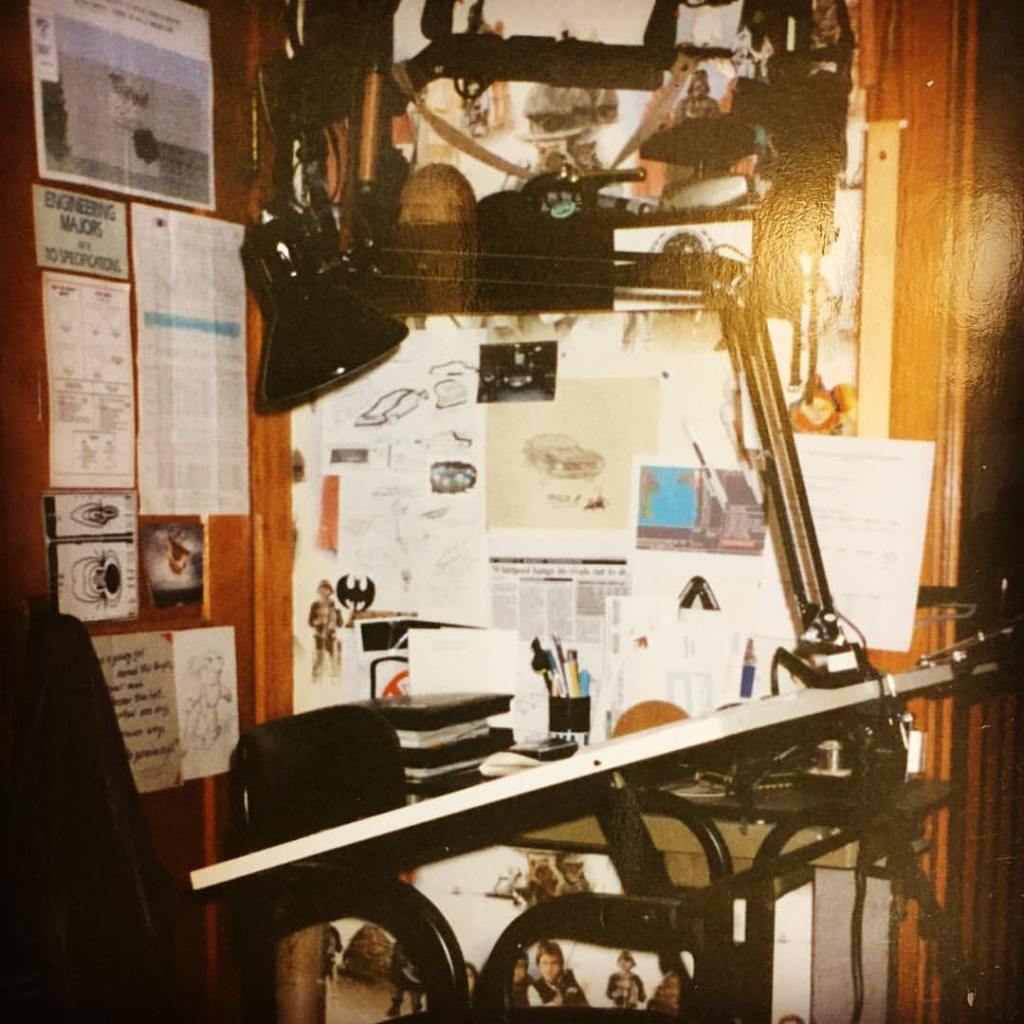
One corner of Gery’s bedroom at the farm in Jamestown, ca. 1988 – drafting table and work area while studying for his engineering degree.
Except for food, my room was outfitted with everything I needed to hole up. There was a pair of hand-me-down twin beds, a tiny black and white TV sitting on a corner step stool, plenty of art supplies and books, and a JC Penney stereo system perched on a wobbly stand. All of these things, and the room itself, helped chisel out the person I’d eventually become. I also had a desk that became far more important that I could have predicted, although somehow my mom knew.
Around 1981, predicting the computers that would eventually occupy so much of my time, my mother insisted on getting me a large, wrap-around desk. The epidemy of 1980s techno-furniture, its wood frame sported a black, slate top, with just one lonely shelf above. It wasn’t fancy, just functional. As it turned out, that old desk, as much as the room it occupied, became my launchpad. My mother seemed to believe in things before me, and now — 43 years later — I’m sitting at that very desk as I type this for you.
Those who were there have said that, in many important ways, my office and personal study echo that childhood haven. I think what they mean is that my work and home offices are more than just organized – they’re curated. Every object has meaning and purpose: typewriters that don’t just tap out words but inspire my writing, photos and nick-nacks that remind me of family and events and highlight why I write, and lots of blue — a color that, for reasons I can’t explain, always made me feel… like me. I think we all need someplace like that, even if we don’t realize it.
In my old room, even if everything outside felt like chaos, even if fitting in at school was like trying to breathe underwater, I could always retreat to a place where I made the rules. Ask any of the nieces I grew up with and they’ll complain, as they did to my mother when we were kids, that I would never let them come up there.
We seriously underestimate how foundational a child’s room can be as they grow up. Like so many other children, my room gave me solace, but it also provided a launchpad from which to craft my life’s narrative — one where my voice mattered. It wasn’t just any room in any farmhouse. It was my room, my Fortress of Solitude – maybe yours was too.
I’ve arranged other spaces in the image of that room but, try as I might, nothing will ever be like that again. Sometimes I would give anything to be back there, with so little responsibility and so much to live for. I’d hear the bustle of my family downstairs and, just once more, my mother calling up the stairs, “Gery, supper’s on.”
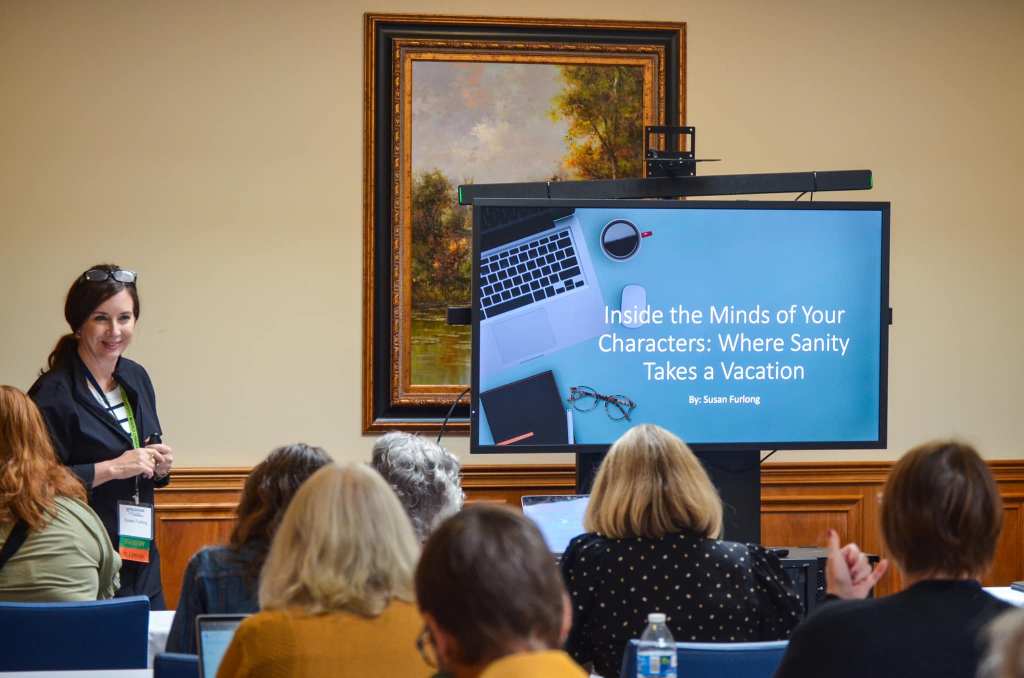
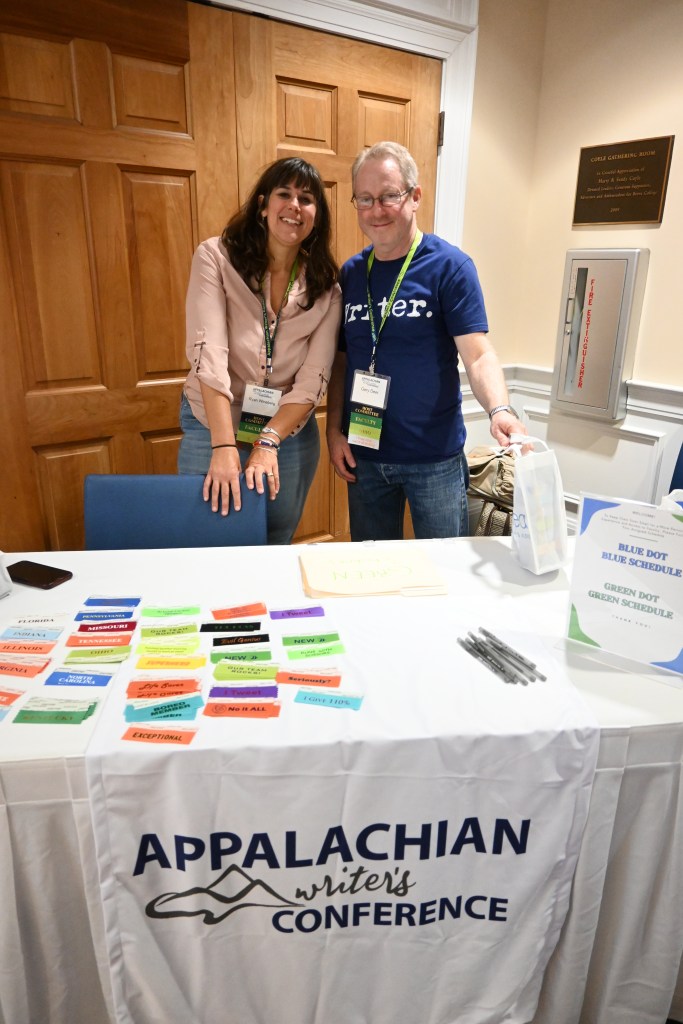
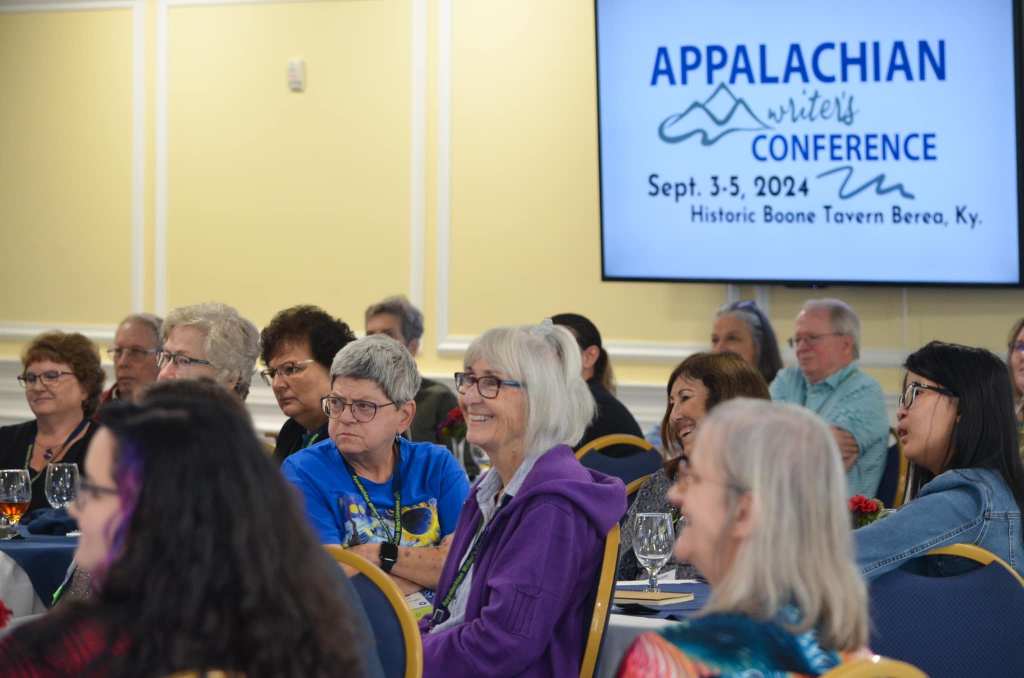
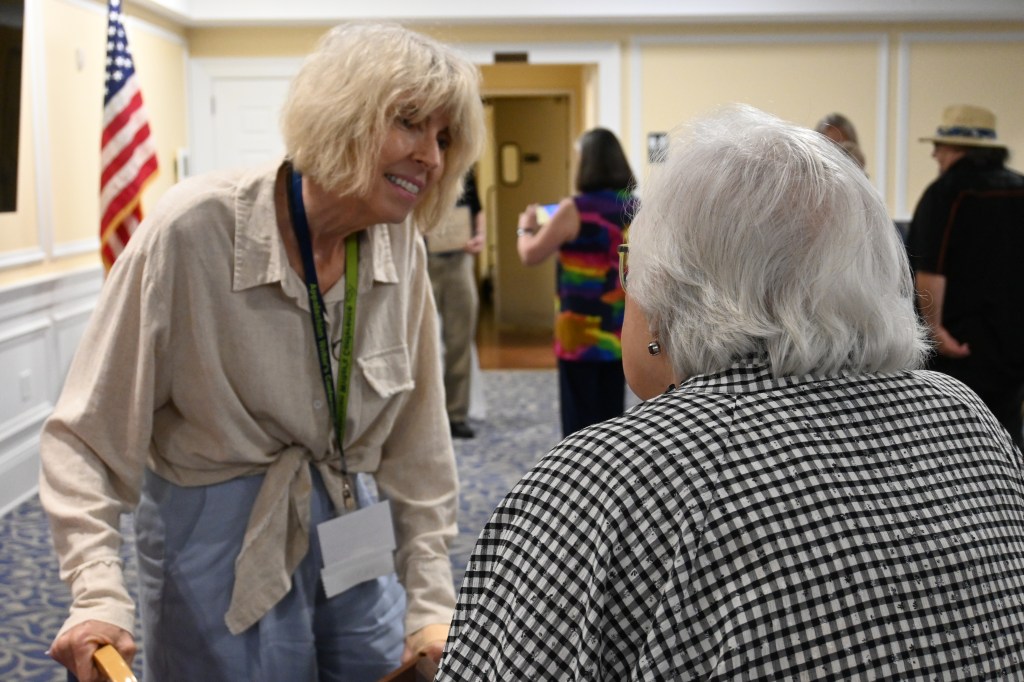
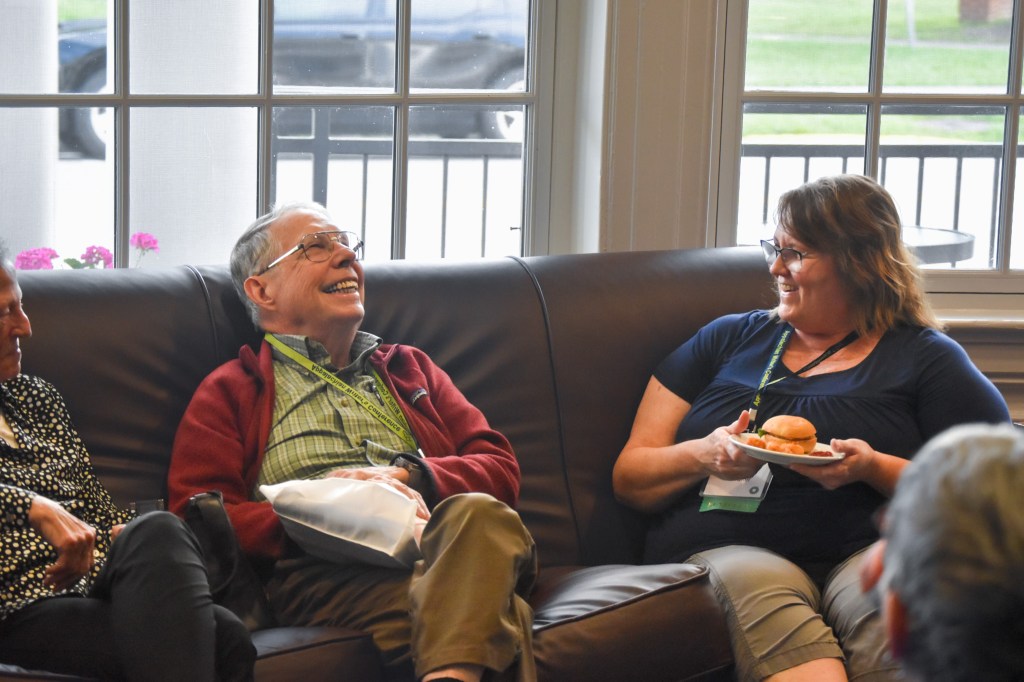
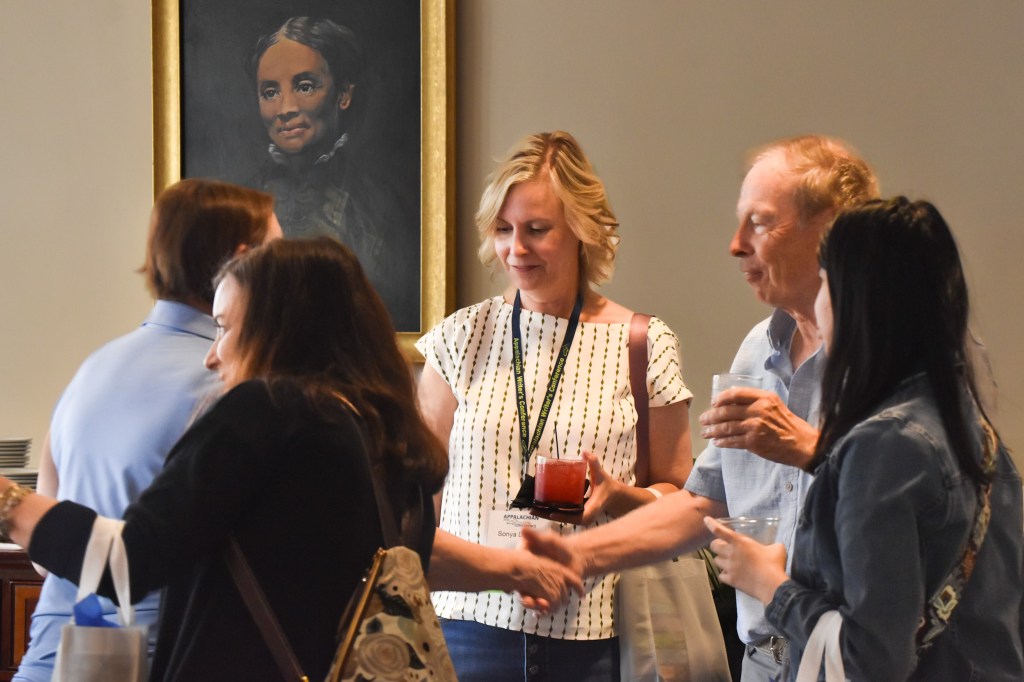
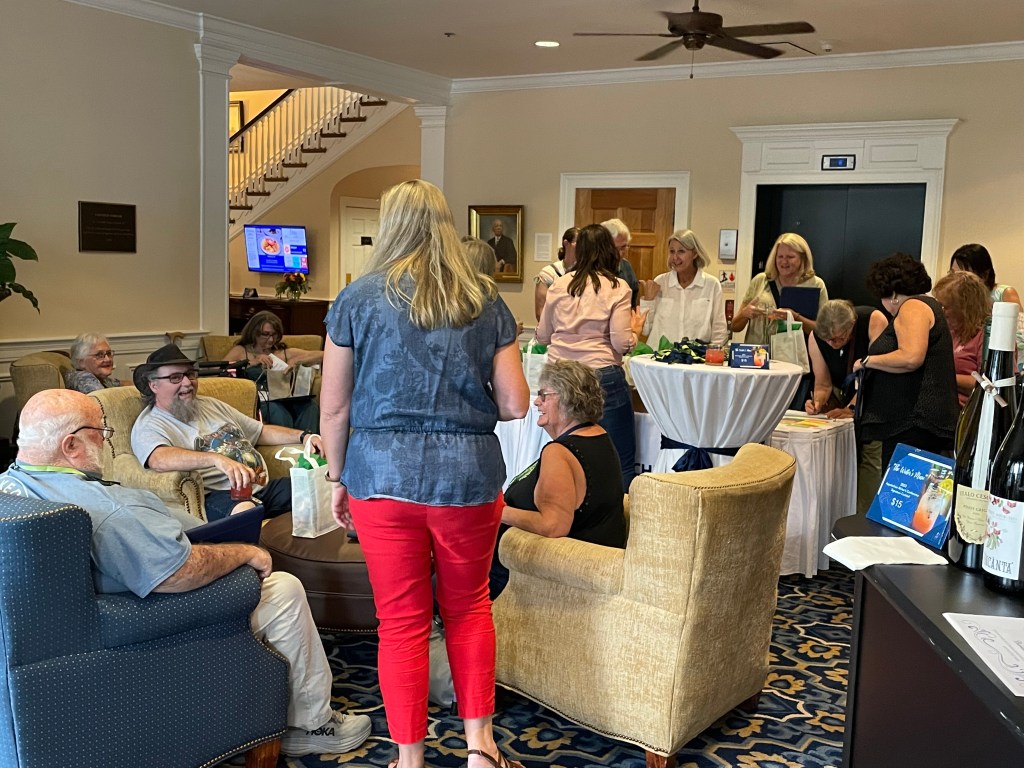
Berea, KY – Writers from across the country will converge in Kentucky this fall for the 2025 Appalachian Writer’s Conference 2025 (AWC), an immersive, genre-inclusive gathering designed to sharpen craft and demystify the business of publishing. From agent pitch sessions to expert-led workshops on branding, contracts, and publicity, AWC equips aspiring and established authors alike with the tools to thrive. Founded by Martin Sisters Publishing President and CEO Melissa Newman, Ed.D., the conference has evolved into a nationally respected event featuring award-winning faculty dedicated to helping writers succeed, regardless of their path or project.
“I strongly believe that everyone has a story, and most people have more than one,” Newman explained. “What we offer at our conference is the opportunity for writers to learn from professionals and develop the skills they need for a successful career as an author.”
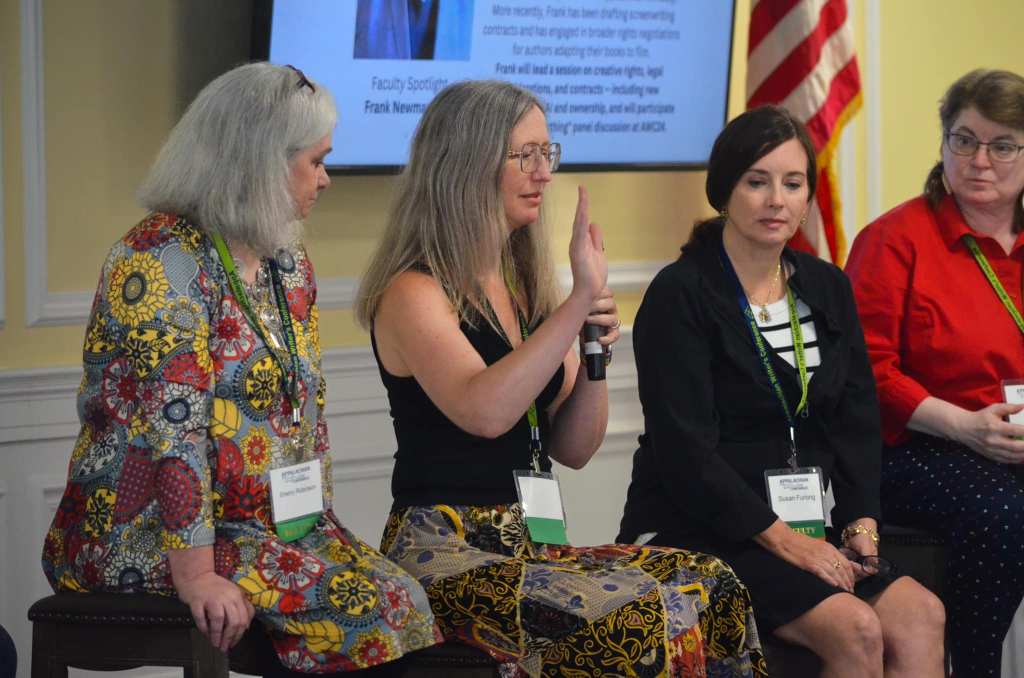
Returning to this year’s faculty are fantasy/romance author Summer Hanford, fiction novelist Sherry Robinson, crime thriller novelist Susan Furlong, and screenwriter Mark Daniels. Frank K. Newman, J.D., President and CEO of the law firm Cole, Cole, Anderson & Newman, PSC, will be back to share insights into publishing and media contracts. Gery Deer, GLD Communications‘s creative director and author of the Pulitzer-nominated op-ed series “Deer In Headlines,” also returns with a session on making a living writing professionally in between book projects.
Deer first attended in 2023 as a participant but transitioned into a faculty role and took on a support position last year. “This is a unique experience for writers, and the intimate setting is ideal, in my opinion, for a better learning experience,” he said. “Melissa has created an environment of support and education, and the faculty is part of the group, interacting and spending time with the participants as fellow artists.” Deer also noted that they continue efforts to improve the event based on participant feedback.
For example, a literary agent joins the faculty for the first time at AWC. Jackie Kruzie, author, literacy advocate, and associate literary agent at Focused Artists, will lead sessions on “Perfecting Your Pitch,” “The Dreaded Synopsis,” and a Lunch-and-Learn Session called “Should I Get an Agent?” She will also meet with authors for eight-minute pitch sessions. Another new addition is award-winning crime, thriller, and suspense novelist Trace Conger. In addition to class presentations, faculty will participate in the “Ask Me Anything” lunch panel to answer questions and discuss writing and publishing topics in a conversational setting.
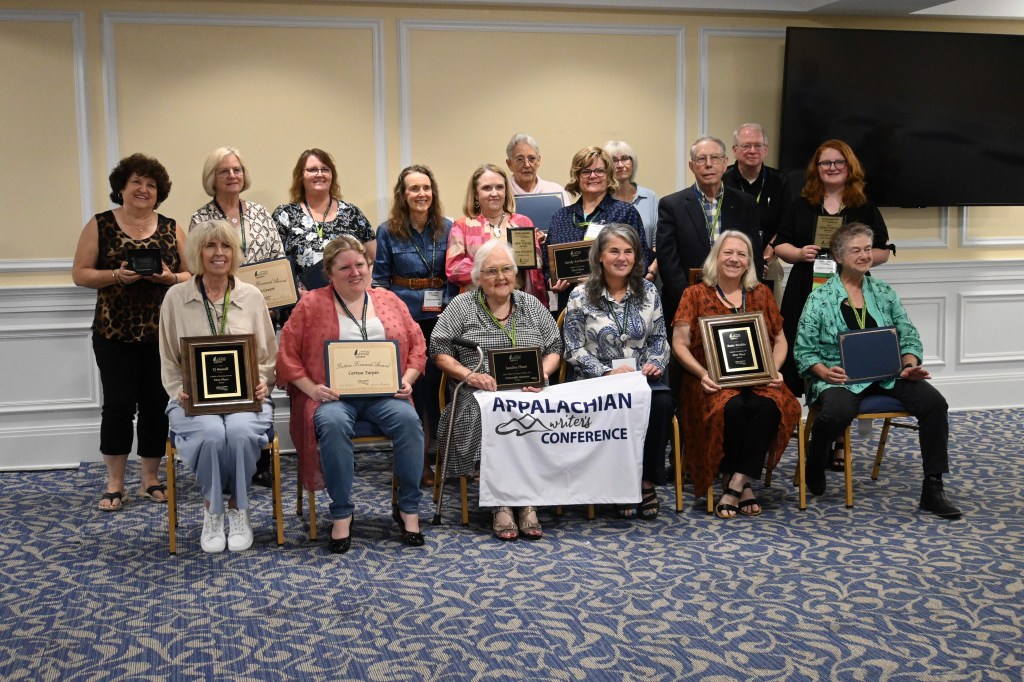
Martin Sisters Publishing and the Appalachian Writers Conference present the Appy Inkwell Awards for the second year. “We want to give writers a chance to have their work recognized,” said Appy Inkwell Awards Coordinator, writer, and English Literature instructor Mary Ryan Wineberg. “We may even discover some new literary talent.”
This award celebrates outstanding achievement in fiction writing and offers talented writers the opportunity to showcase their creativity and skill before a supportive community of peers. Participants can submit up to 2,500 words of unpublished fiction, in progress or complete, that demonstrates originality, craft, and storytelling prowess. Eligible submissions include: a complete short story, a short story collection, or a piece of flash fiction.
The Dr. Pam Parry Lifetime Learning Award also debuts this year. It was created in memory of Dr. Parry, an integral presence within the AWC faculty and a trusted conference advisor whose remarkable life touched many. This award will celebrate someone whose passion for lifelong learning and generosity in the writing community make a lasting impact.
It takes a special kind of bravery to step onto a stage, armed with nothing but your talent and a willingness to bare your soul to strangers. Open mic nights embody this raw courage, where artists of all kinds—musicians, poets, comedians—challenge themselves not only to be heard but to connect. To say they are anything less than extraordinary would be missing the heart of the matter entirely.
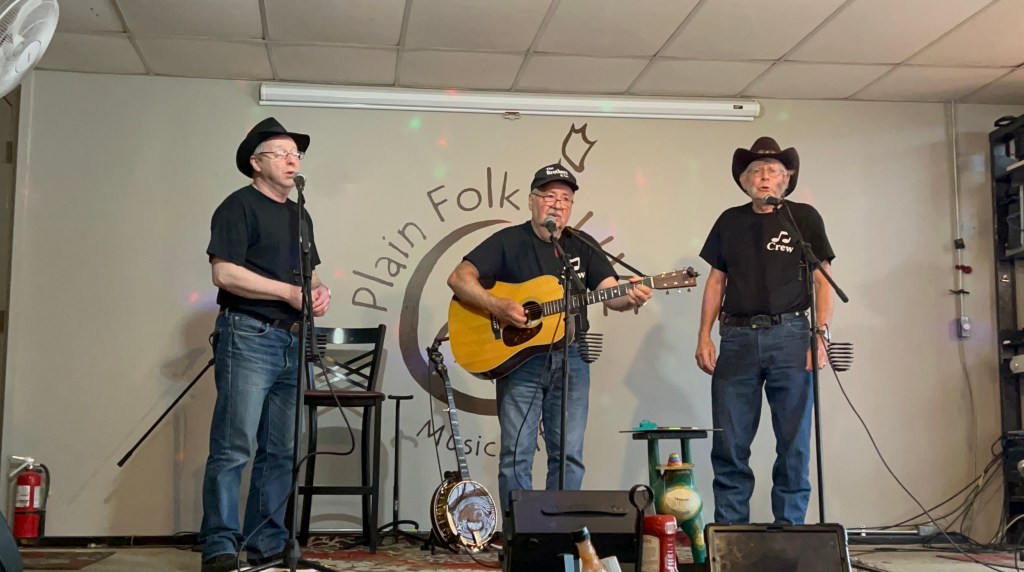
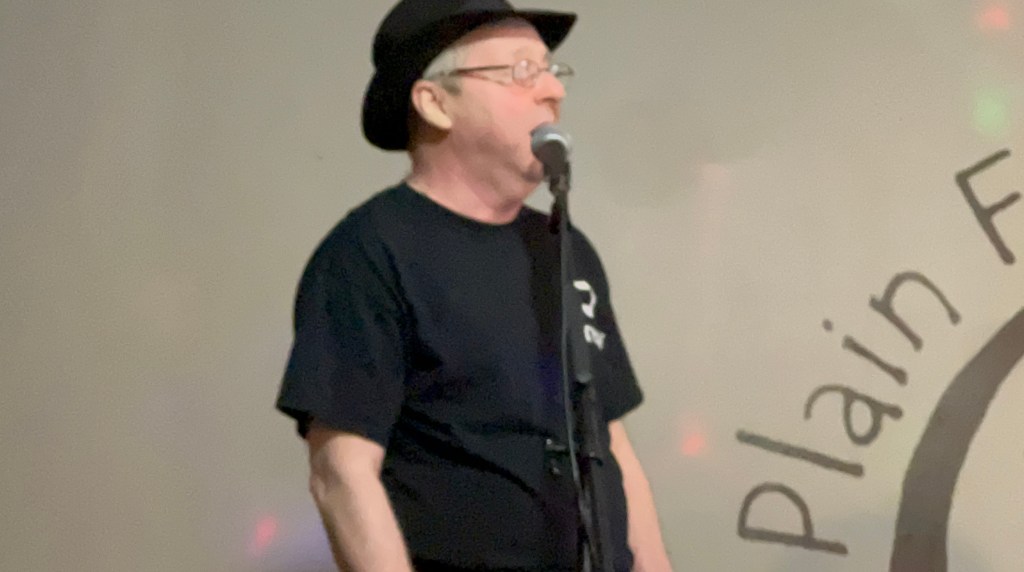
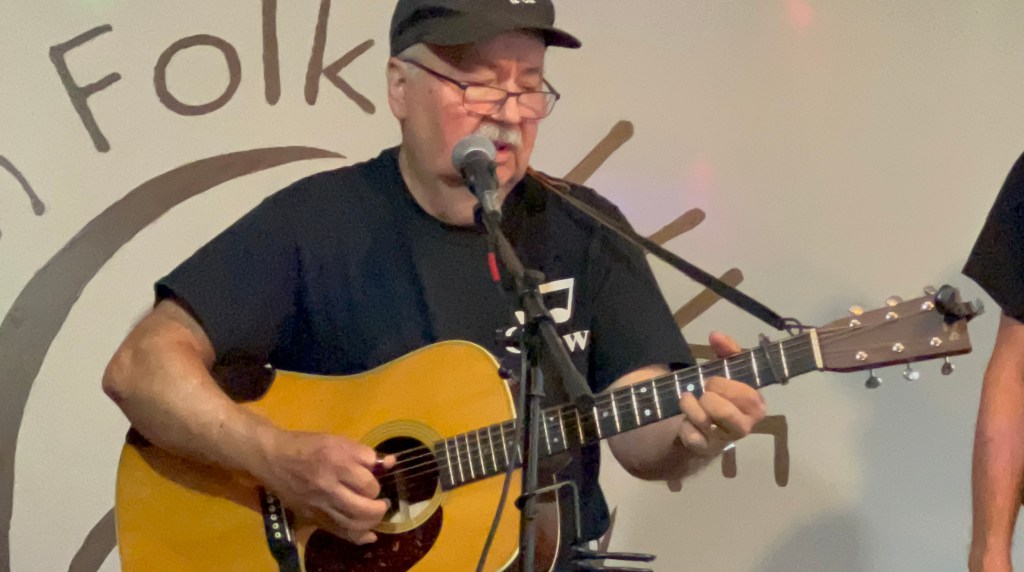
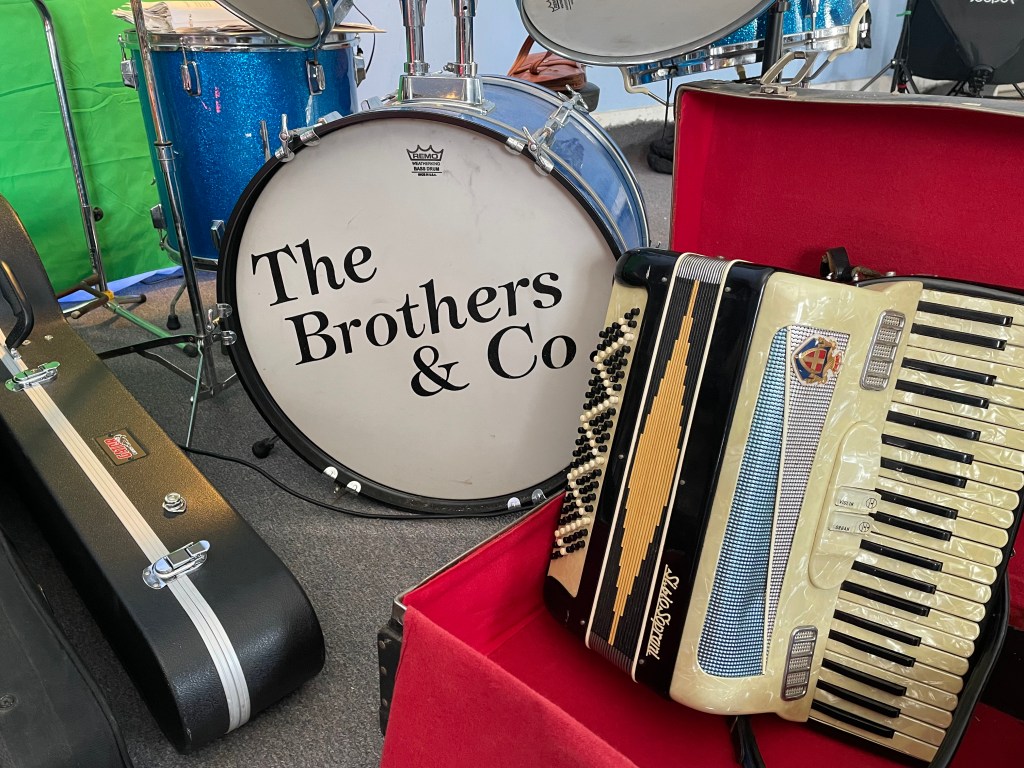
As I write this, I’m sitting with my brother and cousin after just stepping off the stage at Plain Folk Café in Pleasant Plain, Ohio. My family group, The Brothers & Co., which now consists of my older brother and our cousin, has been performing together for over 30 years. We’ve played at casinos, festivals, theaters, just about everywhere – as professional entertainment. But I’d never experienced an open mic event until my cousin invited us to go as a group. He was a regular here, receiving a very “Cheers” like welcome from fellow performers when we arrived.
Every Thursday night since 2012, performers and patrons alike enjoy good food and entertainment, and the stage isn’t just a platform; it’s a crucible where artistry takes shape. The sign-in sheet, held aloft by a sombrero-wearing ceramic frog, sets the tone: quirky, welcoming, and uniquely communal. Each participant scribbles their name with a mix of anticipation and trepidation, knowing they’re stepping into an unfiltered arena. Some are regulars, others are first-timers, all are committed.
The pull of an open mic is multifaceted. For some, it’s a chance to test new material, an incubator for ideas that might someday grow into greatness. Writers spend hours pouring their souls into words; musicians craft melodies that echo with personal truths. They arrive not knowing whether their work will elicit applause, laughter, or silence—but they come anyway, driven by the need to express and improve.
Then there’s the process itself—learning not just to perfect the art, but to perform it before a living, breathing audience. Open mic performers are incredibly brave, hoping their work connects with even one person in the crowd. That’s where the beauty lies: that vulnerability becomes their strength. It’s almost a superpower, one which, for all my professional experience, can’t comprehend.
Gary Deer Jr and Gery Deer, two of the trio, The Brothers & Co., watch other performers on stage at Plain Folk Cafe.
The first time I was on stage, I was in first grade, doing a ventriloquist act in my elementary school talent show. I had studied the art for a year or so, and my mom thought I might like to show people. I agreed, and the next thing I knew, I was smack in the spotlight of the ultimate open mic set — me, a ventriloquist dummy, 250 schoolmates, teachers, and parents.
One joke, a laugh; another, some applause, and, at the end, I won first prize for my grade. That moment led to a lifetime of performing in front of audiences, from lecturing and emcee work to appearances at hometown festivals and on national TV. Yet, with all that, I can’t fathom getting up there alone, week after week, in front of a cafe full of patrons and performers. It requires a very different kind of courage.
Open mic nights strip away the barriers between artist and audience. Whether it’s a musician pouring their soul into an original ballad or a comic braving the silence between punchlines, the essence of their art is laid bare. Every strum of a guitar or carefully penned word reveals hours of effort, doubt, and hope. It’s humanity, distilled.
Most importantly, these evenings foster connection. In the glow of the stage lights, an unspoken camaraderie develops among performers and listeners alike. The applause isn’t just polite acknowledgment; it’s a collective celebration of effort and heart. That shared experience is what makes open mic nights so much more than casual entertainment—they’re gatherings where creativity finds its voice and its audience.
If you’ve never been to an open mic event, I urge you to go, not as a critic, but as a witness to the raw courage and artistry on display. You may not love every performance, but you will leave with a renewed appreciation for the grit it takes to share oneself so openly, and for all the creative souls who fearlessly challenge themselves week after week.
********
To learn more about The Brothers & Co. Entertainers or Plain Folk Cafe, visit them on Facebook at:
The Brothers & Co. Bus served the group when it was a quartet traveling around the region to perform variety and music shows at festivals, theatres, and resorts. It has since been retired.














 The Jamestown Comet