By Gery Deer
After years of contraction and store closures, Barnes & Noble in is writing a new chapter in its history. The nation’s largest bookseller has announced plans to open more than 60 new stores in 2026, a striking vote of confidence in brick-and-mortar retail and a clear sign that printed materials are enjoying a cultural comeback.
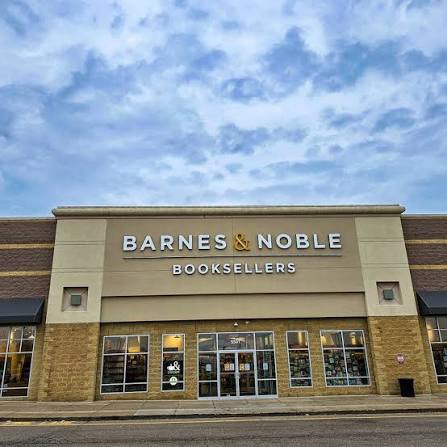
Once viewed as a casualty of e-commerce and e-readers, Barnes & Noble has steadily regained its footing under CEO James Daunt, who has emphasized locally curated stores, knowledgeable booksellers and community engagement. The company now operates roughly 600 locations nationwide and reports strong performance at recently opened stores.
“We’ve seen a real resurgence in interest in physical bookstores,” Daunt has said in recent interviews. “Readers want places that feel human again — where they can browse, discover and spend time. A bookstore should be a cultural space, not just a transaction.”
Industry analysts say the expansion reflects a broader shift in consumer behavior. After years of constant connectivity, many Americans are experiencing digital fatigue — exhaustion from endless screen time, notifications and scrolling. Printed books offer an antidote: no alerts, no blue light and a more immersive reading experience.
“People are deliberately stepping away from screens,” said Dr. Laura Mitchell, a media and consumer-behavior analyst. “Books provide focus and calm in a way digital content doesn’t. There’s something grounding about holding a physical object and engaging with it on your own terms.”
Younger readers are also fueling the trend. Social media platforms, particularly TikTok’s influential #BookTok community, have driven bestseller lists and encouraged a new generation to buy — and collect — physical books. Rather than replacing print, digital platforms are now helping revive it.
The expansion is expected to have a noticeable impact in Ohio, where Barnes & Noble has already opened new locations in recent years and is widely expected to continue growing its footprint. Ohio’s mix of suburban growth, college towns and strong library and reading culture makes it fertile ground for bookstores that double as community gathering places.
While independent bookstores remain cautious about competition, many observers note that Barnes & Noble’s new model relies less on uniformity and more on regional identity, allowing stores to tailor selections and events to local tastes.
For an industry once declared obsolete, the message is clear: the printed page still matters. As Barnes & Noble prepares to open dozens of new stores, it is betting that readers are ready to turn down the screen — and turn the page instead.

 The Jamestown Comet