Local News & Commentary Since 1890.

Posts Tagged ‘sociology’

Social Microcosms

In Opinion, psychology, sociology, television on June 1, 2024 at 9:56 am

Deer In Headlines II

By Gery Deer

Have you ever considered a microcosm? Chances are you haven’t, but we are exposed to them almost every day. Essentially, a microcosm is anything in miniature that represents something bigger. For our purposes, a microcosm is a small group or community whose characteristics represent a larger one.  

We see microcosms everywhere, and we’re usually unaware of them. Some are fictional, existing only in books, movies, television, and theatre. Others are happening around us, whether we’re integrated participants or outside observers. Let’s look at a couple of examples.

Consider the classic TV show “Gilligan’s Island,” which its creator, Sherwood Schwartz, referred to as a social microcosm. It featured seven characters, each representing a different socioeconomic position. Gilligan and the Skipper embodied the working class, while the Professor symbolized academia.

Mr. and Mrs. Howell (the millionaire and his wife) represented the elite, privileged upper crust. Mary Ann, a girl from the heartland, brought an earthy, grounded perspective, and Ginger, the movie star, added a touch of glamour.
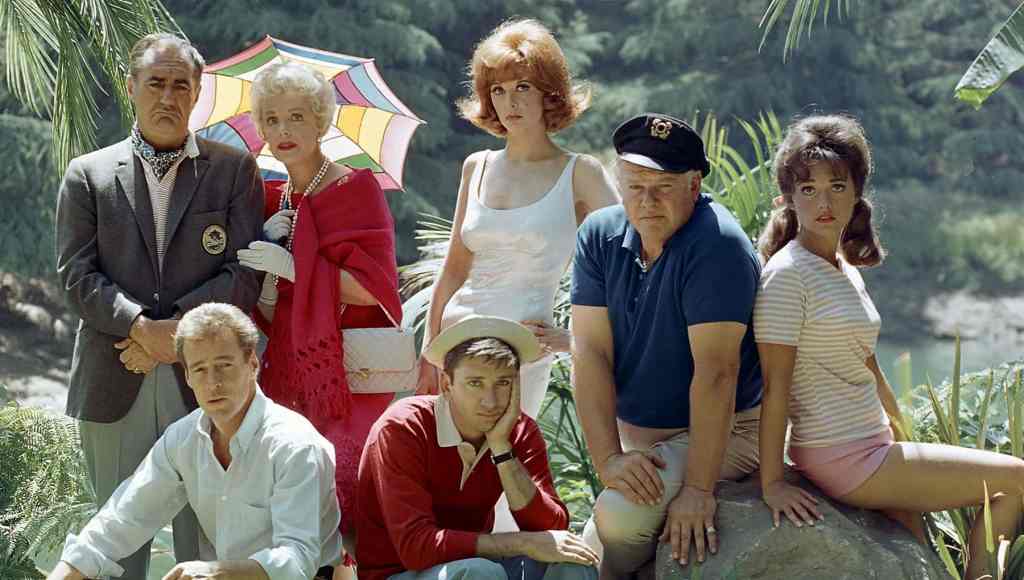
Gilligan’s Island creator Sherwood Schwartz called the slapstick-laden sitcom of the 60s a “social microcosm” because of the socio-economic makeup of the characters.

Shipwrecked on an island in the middle of the Pacific, the writers put these people in absurdly improbable situations where each demonstrated their own inherent characteristics, however unrealistically. That’s where the comedy came from, and it worked.

Of course, to suspend the disbelief and immerse the viewer into the cartoon-like world, the show generally left out more realistic issues in such a situation. Problems like food, water, clothing, and shelter only arose when a comedic lack of some basic survival needs drove the story. But that’s TV. What about in real life? Where do microcosms exist day-to-day?

Recently, I found myself at a family birthday party in a local bowling alley. The guest of honor was turning 18, and a lively group of teenagers had gathered around the scoring console, ready for a game. As the afternoon progressed, the pitcher of soda ran dry, and the pizza had disappeared. Hunger pangs set in. (Kids eat a lot, wow!) With nothing else to do, I volunteered to make a snack bar run, setting the stage for an interesting observation of a real-life microcosm.

It was a Saturday afternoon, and the place was packed. Nearly every lane was occupied. As I walked along the service area at the back wall, past the shoe rental and pro shop, I suddenly noticed how much real life was happening all around me, and it all registered in my mind with sounds.

When I first realized what I was listening to, I literally froze for a moment. A woman nearly collided with me as she hurried along, balancing a pizza, drinks, and bowling shoes. I was so surprised by how I felt at the moment that I was compelled to step out of the foot traffic, close my eyes, and just listen.

Amidst the chaos, I focused on individual sounds. I heard the familiar thud as bowling balls dropped onto the hardwood floors and the dull rumble as each raced down the lane. Finally, the unmistakable crash of the pins as the ball hit them or the disheartening clunk if it dropped into the gutter.

Above pin resets, hand dryers, and clanking ball returns were the sounds of people living life. This was the microcosm of the moment—celebrations, first dates, families, young, old, and everyone in between.

I opened my eyes, looked around, and tried to put sight with sound. More birthday parties, a small child, with a ramp and dad’s help, making her first attempt to roll the ball. Neither she nor her parents will ever forget that day. A couple of lanes down, several older women chatted and crocheted between frames. One of the women working on a large afghan appeared to be winning.

I was standing among people from many different walks and stages of life. They all had one purpose, albeit the motivations were different. Everyone was there to enjoy the game, be with family and friends, and create lasting memories.

Eventually, I had to complete my mission and get the food back to our group before the teenagers ate their own shoes. But I can still hear those sounds and remember all the life that was being lived on that one normal day at the bowling alley.

Here On Gilligan’s Island: TV’s Sociological Snapshot

In Entertainment, Opinion, Politics, psychology, Religion, Science, sociology, television, Uncategorized on March 27, 2012 at 9:02 am

Gilligan's Island served as a humorous microcosm of American society.

By Gery L. Deer

Deer In Headlines

In 1963 television writer, producer Sherwood Schwartz created a short-lived situation comedy that, unbeknownst to audiences, provided a peak through a unique magnifying glass into the human condition. Panned by critics and adored by viewers, Gilligan’s Island became one of the most re-run shows of all time and earned a unique place in the annals of American pop culture.

Between 1964 and 1967, 98 original episodes of the show aired when it was suddenly cancelled before a fourth season could be filmed. Surprisingly, the show ran aground, not because of faltering ratings (it was always in the top 20) but instead because the president of CBS wanted to revive his wife’s favorite program, Gunsmoke, which had already drifted into the sunset.

Often taken too seriously by critics and sometimes misunderstood even by its fans, the premise of Gilligan’s was simple. Seven people set out on a scenic, three-hour cruise around theHawaiian Islands aboard the S.S. Minnow when an unexpected storm tossed their tiny ship and left it wrecked on the shore of an uncharted island.

Marooned more than 300 miles from their original course and left with only a transistor radio, a tool chest, four blankets and the clothes on their backs (which never seemed to wear out) the castaways had little hope of rescue. As if that wasn’t enough, each opportunity for escape from their tropical island nest was agonizingly thwarted – usually thanks to the ineptitude of the boat’s lovable, yet bungling first mate, (Willie) Gilligan.

Regardless of what people thought of the show, however, even today, the durability of Gilligan’s Island still leaves entertainment experts scratching their heads. It’s possible, though, that most people simply missed the point.

Gilligan’s offered us more than just 23 minutes of slapstick escapism. Along with campy, cartoon-like comedy, the program granted viewers a humorous and remarkably detailed glimpse of themselves.

Seven people, each of whom represented different social positions, were required to work together in order to survive in their shared predicament. The Skipper and Gilligan, for example, represented average, working class guys; a small business owner and his employee, if you will.

The Professor was a school teacher; the pragmatic scientist focused on getting everyone safely off the island. He also found ways to help make them all more comfortable while maintaining a discrete distance from the obvious distractions – Mary Ann and Ginger.

Sweet, kind, Mary Ann was a wholesome farm girl fromMiddle America. Television psychologists (yes, there are such people) often refer to her as the ‘linchpin’ of the story. Noticeably absent for a good part of an episode, Mary Ann would walk in at just the right moment bringing with her at least part of the solution to an impending problem, though sometimes inadvertently.

Movie starlet, Ginger, was Mary Ann’s voluptuous, big city opposite. Her Marilyn Monroe-esque sensuality was continually implied but never fully executed. Even though she was a film star, on the island she was relegated to a traditional ‘female’ role of the 1960’s, cooking and doing laundry.

Lastly, the millionaire Thurston Howell III and his socialite wife, aptly named, Lovey are obvious stand-ins for the high-brow elite. Carrying enough cash to support a small nation, the lazy yet likable couple solved problems back home with money – something that has no value on the island. Still, Howell’s business savvy and ruthless determination to return to civilization offers both foil and ally to the others.

And there you have it, seven snapshots of modern society dropped into a difficult situation where they are forced to get along for the common good. Of course a sitcom isn’t real life, but it shows us that we all have the same basic needs no matter where we are in the pecking order of society. In the end, we all require food, clothing, shelter, some level of happiness and a margin of personal satisfaction.

No one ever really finds everything they’re looking for in life, but peel away our political, religious and social trappings and we’re all the same. Just people trying to get along, regardless of whether we live on the streets of anywhere U.S.A., or here on Gilligan’s Island.

Is this your new site? Log in to activate admin features and dismiss this message
Log In