Local News & Commentary Since 1890.

Posts Tagged ‘Radio’

Radio Waves

In Dayton Ohio News, history, Opinion, Technology, Uncategorized on June 16, 2025 at 8:29 am

Deer In Headlines II

By Gery Deer

A long time ago, in a glowing box, far, far away, radio was the primary means by which most Americans received their news and entertainment. Frontline news from overseas wars, sketch comedy shows, and soap operas – all of it started on the radio. Growing up, I spent hours listening to the radio, everything from music and radio plays to late-night talk shows and Casey Kasem’s American Top 40 countdown.

Nearly all of these are gone now, but if you listen closely, you can still hear it—the crackle of an AM signal, the smooth transition of an FM dial, and the hair-raising tones of the emergency broadcast system. Well, OK, that one’s not so nostalgic. But is such a long-running, analog medium still relevant in a digital era of podcasts, streaming services, and algorithm-driven playlists?

Despite predictions of its demise, radio lives. According to Nielsen’s Q3 2023 Total Audience Report, radio remains the most popular media in America, reaching 84% of the population aged 18 and above. That’s right—more people tune in to traditional radio than watch television or scroll endlessly through social media.
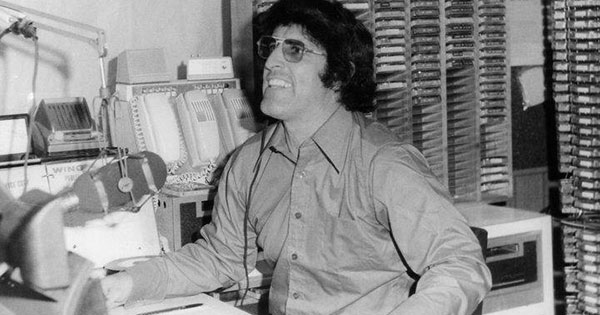
Dayton, Ohio, radio personality Steve Kirk ruled the Miami Valley airwaves for decades. Is there a need for this kind of talent in the 21st Century?

Radio is still around because, for the most part, stations and owners have adapted, shifting to digital platforms, streaming services, and podcasts. For example, this column’s podcast counterpart is featured on iHeartRadio, which operates more than 850 stations nationwide.

Additionally, over-the-air broadcasting remains a popular option, particularly in cars. Every week, approximately 92% of Americans listen to the radio—roughly 272 million people—proving that radio remains the dominant medium for commuting.

Local radio ad revenue, however, isn’t what it once was. In 2025, sales are expected to reach only around $2.4 billion—a sharp contrast to the nearly $22 billion radio generated just 20 years ago. Radio stations have had to rethink their business models due to stiff competition from digital platforms. Some have survived and prospered by embracing digital, while others struggle to keep the lights on.

Cumulus and Townsquare Media recently shut down twenty radio stations. Many of these were AM stations that had lost their audience decades ago, unable to compete with the convenience of streaming. While this thinning of the herd might seem like bad news, some argue it’s a necessary evolution—fewer stations mean less competition for ad dollars, potentially stabilizing the industry.

That said, AM remains profitable, thanks in part to FCC deregulation by Presidents Reagan and Clinton, and conservative talk programming has become its cash cow. Unlike the early 1980s, when call-in talk shows were relatively new, less restrictive laws eventually allowed companies to own and operate nearly unlimited radio stations.

Suddenly, extreme political hosts like Rush Limbaugh, who held the daytime ad money, reached millions over a network of AM stations. More entertainment-focused programs, such as Sally Jessy Raphael’s call-in show, also thrived, ruling the airwaves at night.

Then there’s traditional radio’s subscription-based cousin – satellite. Since its inception, satellite radio has been marketed as the premium alternative—no static, initially with no commercials, and a seemingly infinite selection of niche stations.

Satellite radio carved out a loyal audience, particularly among drivers who want uninterrupted entertainment on long commutes. SiriusXM, the dominant player in the satellite radio market, boasts over 34 million subscribers. While that’s a fraction of traditional radio’s reach, it’s still significant, proving that people are willing to pay for curated content.

Satellite radio offers exclusive content—think Howard Stern and live sports. However, it faces stiff competition from podcasts, which offer similar content for free. Streaming services like Spotify and Apple Music offer listeners more control over their audio experience, making it harder for satellite radio to justify its subscription fees.

Even with these checkmarks in radio’s “cons” column, in my opinion, there are still plenty of pros, so long as the medium continues to evolve. “Because that’s how we’ve always done it” isn’t a phrase anyone working in radio wants to hear from management these days.

Whether it’s delivering local news, playing your favorite tunes, or keeping you company on a long drive, radio is still a faithful companion for whatever you’re doing. If you don’t believe me, turn on your car stereo. Chances are, you’ll find something worth listening to.

Exploring Radio Independence at Dayton Hamvention 2025

In Dayton Ohio News, Local News, National News, News Media, Technology, Uncategorized, World News on May 20, 2025 at 4:12 pm

By Gery Deer

Courtesy Xenia Daily Gazette

Editor’s Note:

An update from the Dayton Hamvention officials on May 28th reads as follows: The 2025 Hamvention set a new high attendance record with 36,814 attendees. The general chair, Brian Markland, said he felt fabulous about watching large crowds of amateur radio enthusiasts from all over the world enjoying exhibits, forums, and the flea market. 

XENIA — Before cell phones or the internet, there was amateur, or “ham,” radio.

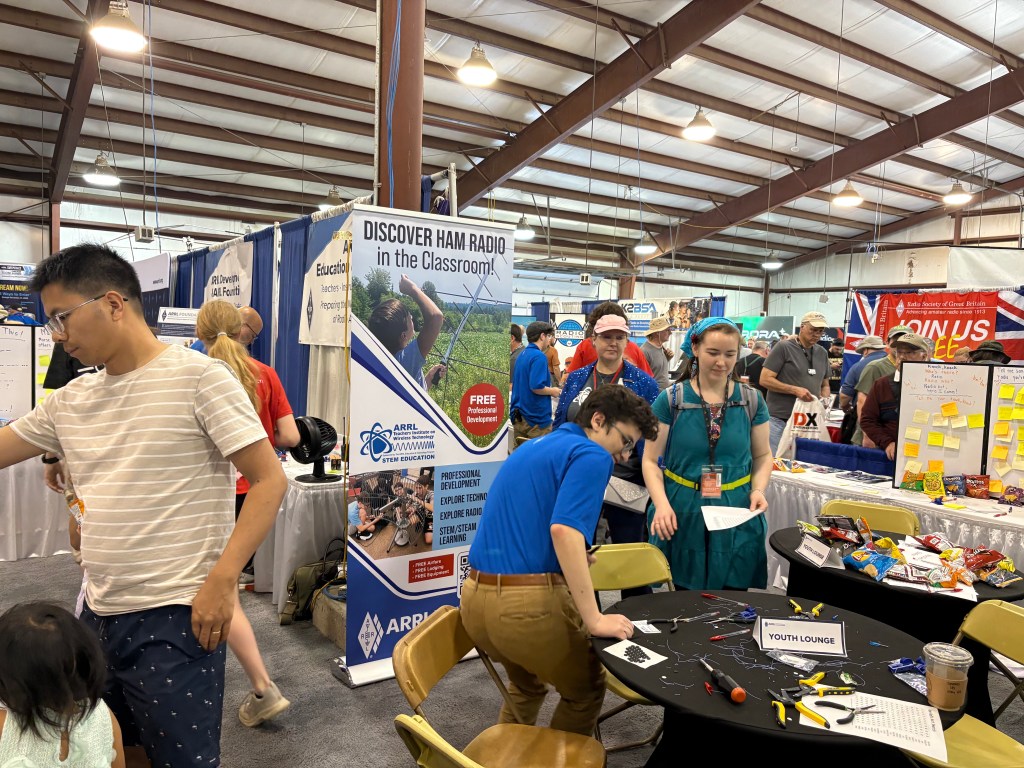
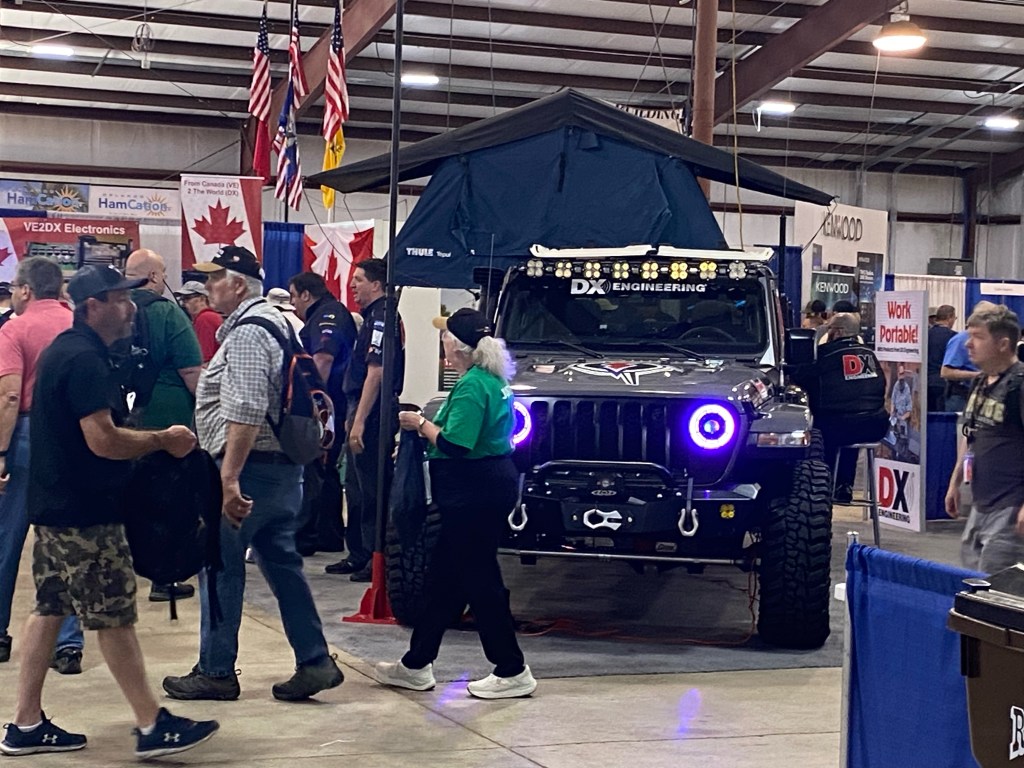
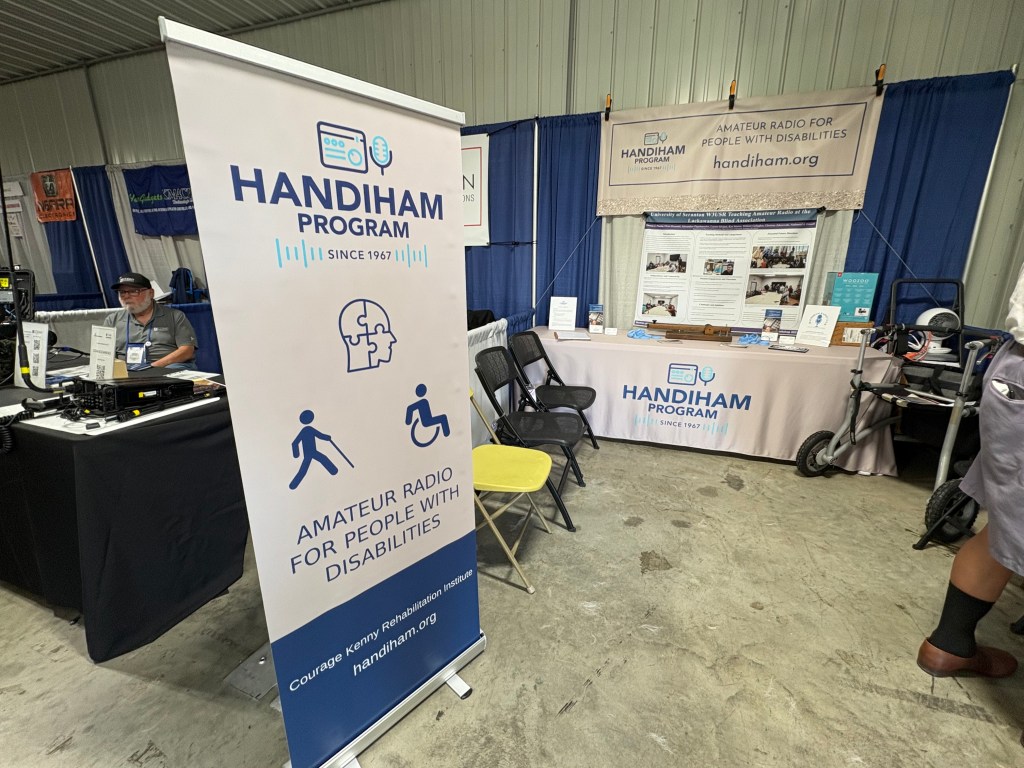
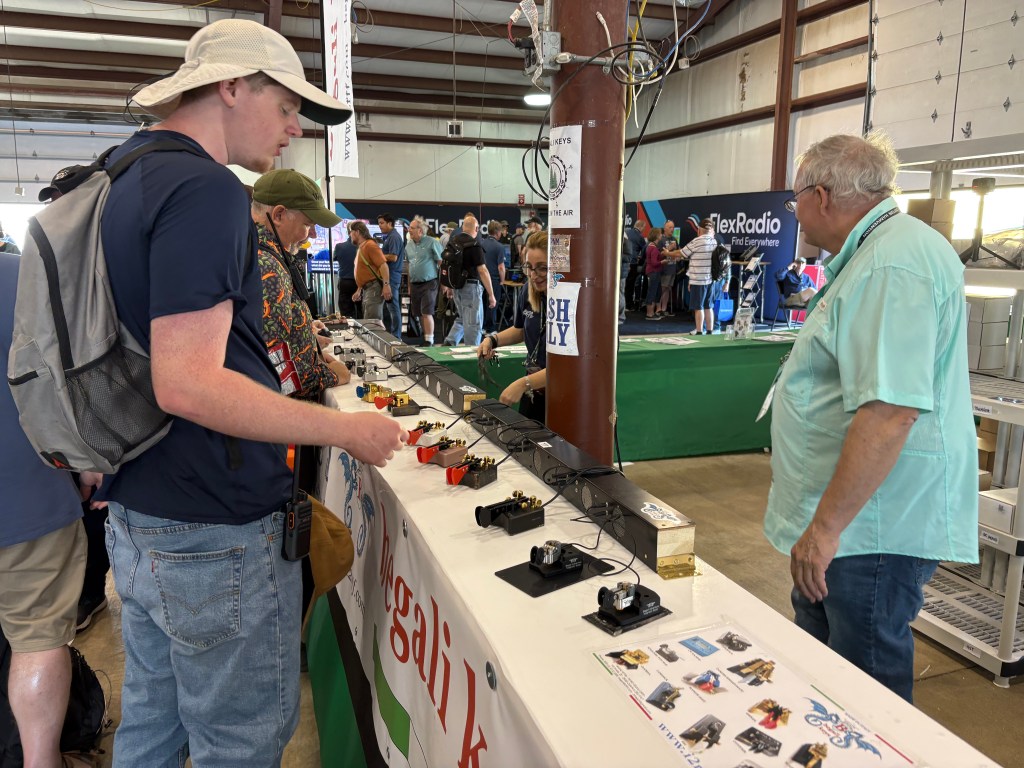
Once a year, thousands of enthusiasts descend on the Greene County Fairground and Expo Center in Xenia for the largest amateur radio convention in the world – Dayton Hamvention. Although final numbers will not be tallied for some time, organizers estimate that this year’s turnout exceeded the 35,000 attendees of 2024.

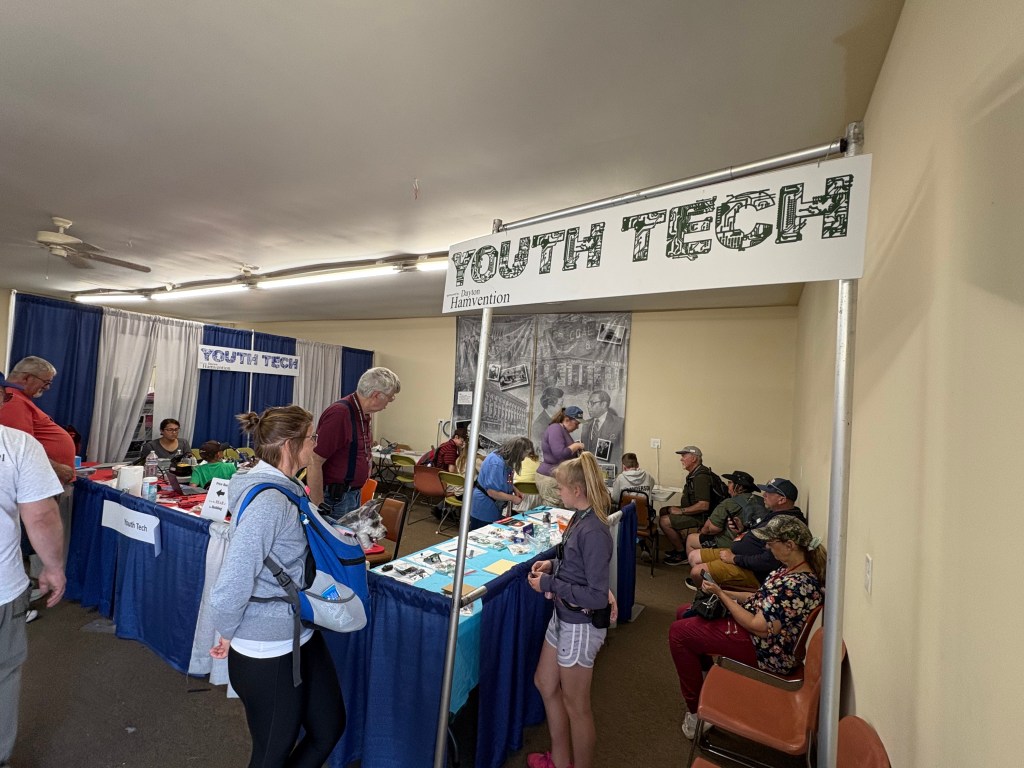
During Dayton Hamvention, participants from as many as 30 countries had the opportunity to see and buy the latest technology, attend educational and informational forums, sit for radio license exams, and take part in youth activities. This year’s event also included groups of young radio enthusiasts, organizations from all over the country made up of young people interested in both the analog and digital nature of amateur radio.

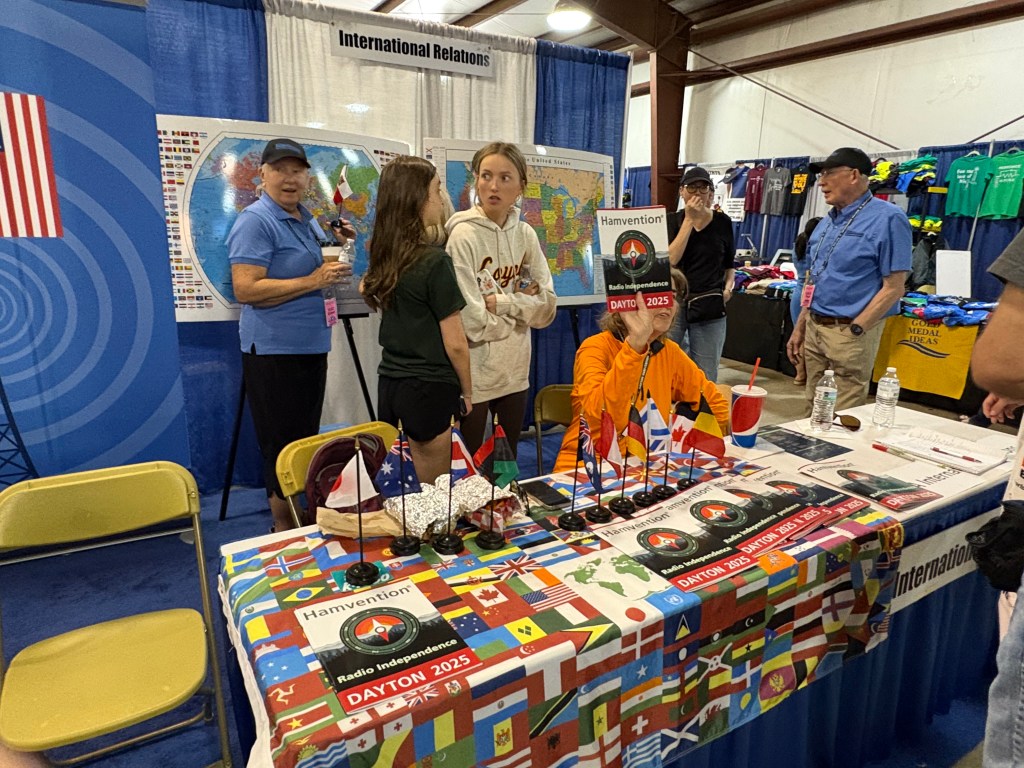
Jim Gifford, call sign N8KET, is the chairman of the media committee for Dayton Hamvention. He shared this year’s theme – Radio Independence – noting that what makes this event so important and impactful to the amateur radio community is the people. One of his favorite moments of this year’s event happened on Friday. “We had 73 students of the Community STEAM Academy (Science Technology Engineering Art and Math) in Xenia here,” he said. “They were really excited to learn how amateur radio relates to science and even space communication.”

With some 800,000 licensed ham radio operators in the United States alone, there is a remarkable sense of community among radio operators, regardless of geography. “It’s so nice for all of us in the local area to be able to come to Hamvention, but then you have to stop and think, this is a big ham fest,” said Glenn Rodgers, WI80, assistant chairman of the event’s media committee. “This is the biggest ham gathering in the world, and we’re so fortunate to be able to come to something like this in this area and it’s an honor to work here.”

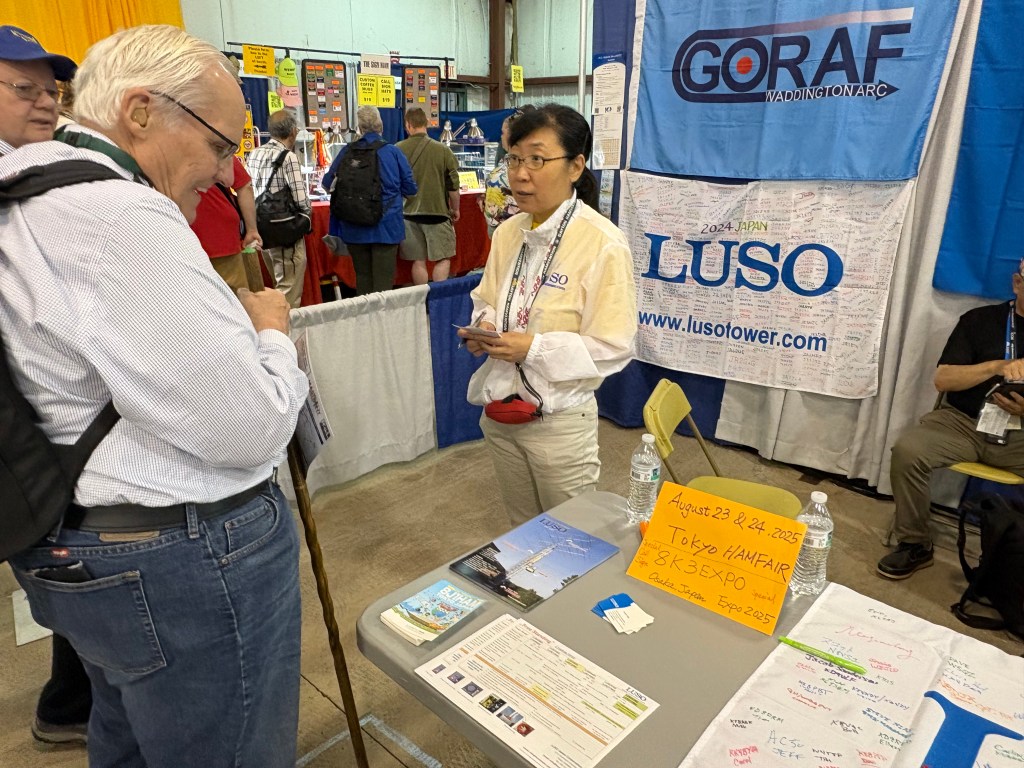
Amateur radio enthusiasts, vendors, and organizations from around the world converged at the Dayton Hamvention. Here’s a promotional booth for Tokyo Hamfair.

With such widespread interest, one might expect the world’s current geopolitical tension would hamper those relationships. According to Gifford, it does not. “We have a multitude of political views here,” he said. “But we’re ham operators, we take care of each other.”

“Because you meet people,” Gifford continued. “We talk to people all over the world. Just the other day, I spoke to somebody from Norway, and somebody from Italy, and it crosses barriers. It really does.”

Most amateur radio enthusiasts are known on the air, and to each other, only by their call sign, an alphanumeric identification given to each license holder by the Federal Communications Commission (FCC).

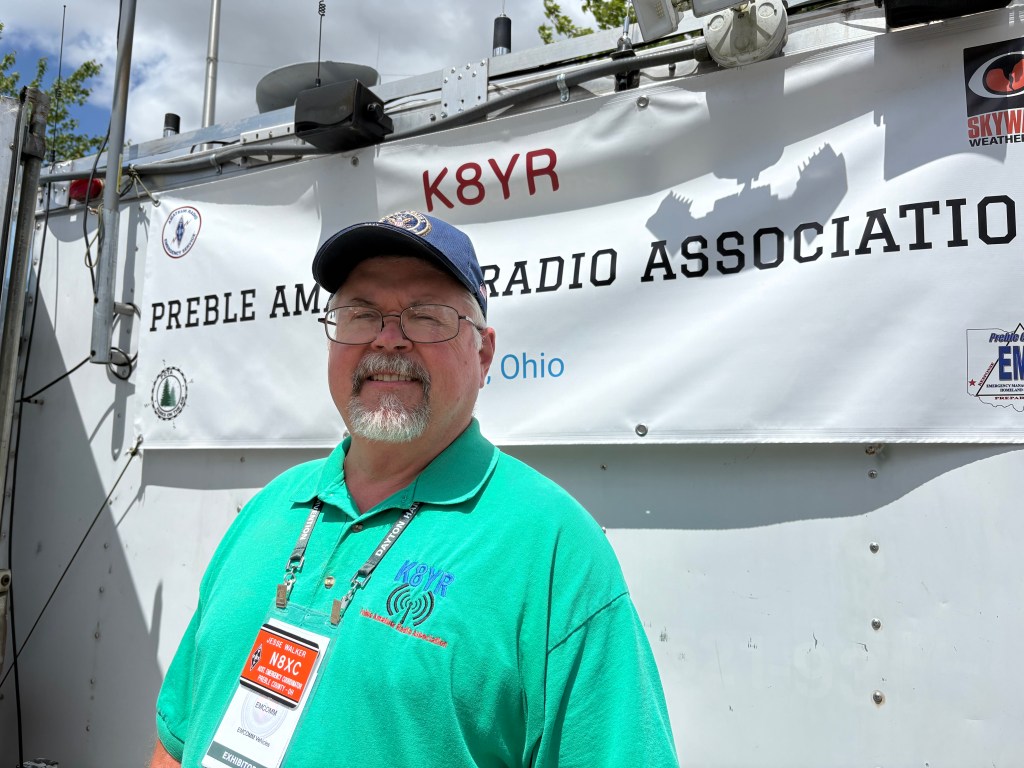
Jesse Walker, N8XC, is U.S. Navy Veteran, and business development manager with Aegis Protective Services in Eaton. He’s been involved in amateur radio since the age of 15. He explained that, although the call signs are assigned, they become part of your identity.

“Many of us only know each other by our call sign,” Walker explained, who is a member of the Preble Amateur Radio Association in Preble County. “Coming here, we get to meet face-to-face often for the first time.”

Both Rodgers and Gifford also noted that, apart from being a hobby for some, ham operators play an important role in the community during emergencies. “Amateur radio groups work as sky spotters during severe weather, they work with and support our area first responders, providing backup communications and volunteers during local emergencies,” Gifford said.

“Essentially, the Preble Amateur Radio Association is involved in public service,” said Jesse Walker. “We work with the Preble County emergency management agency. Our motto in amateur radio emergency service is, ‘when all else fails.’”

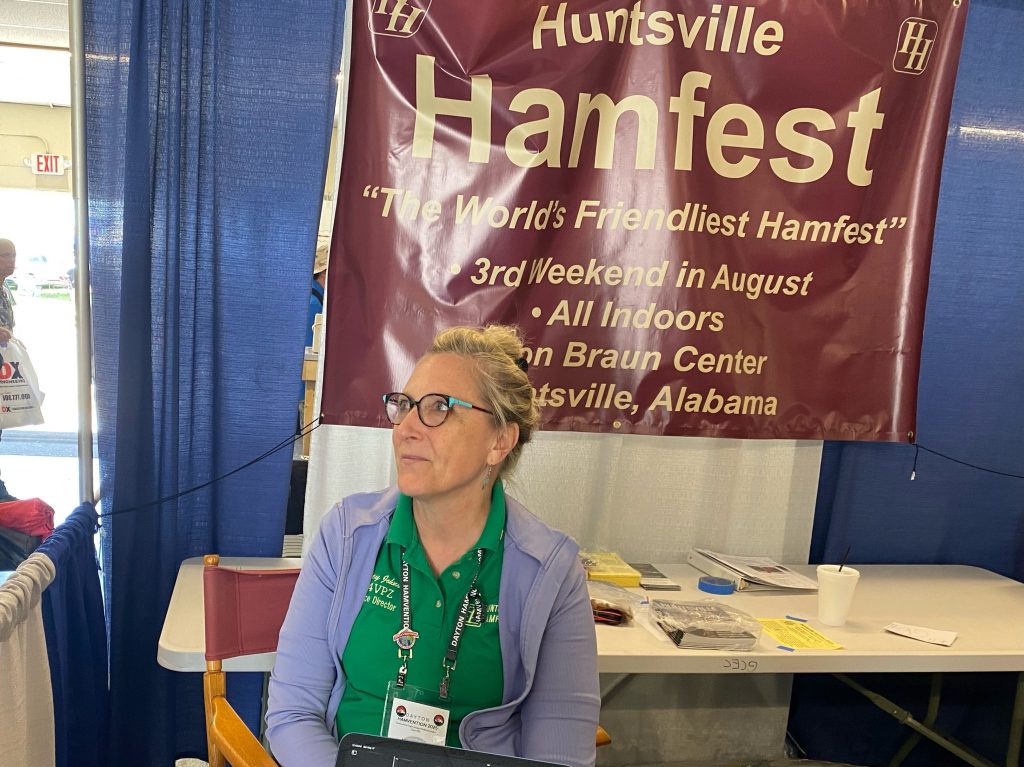
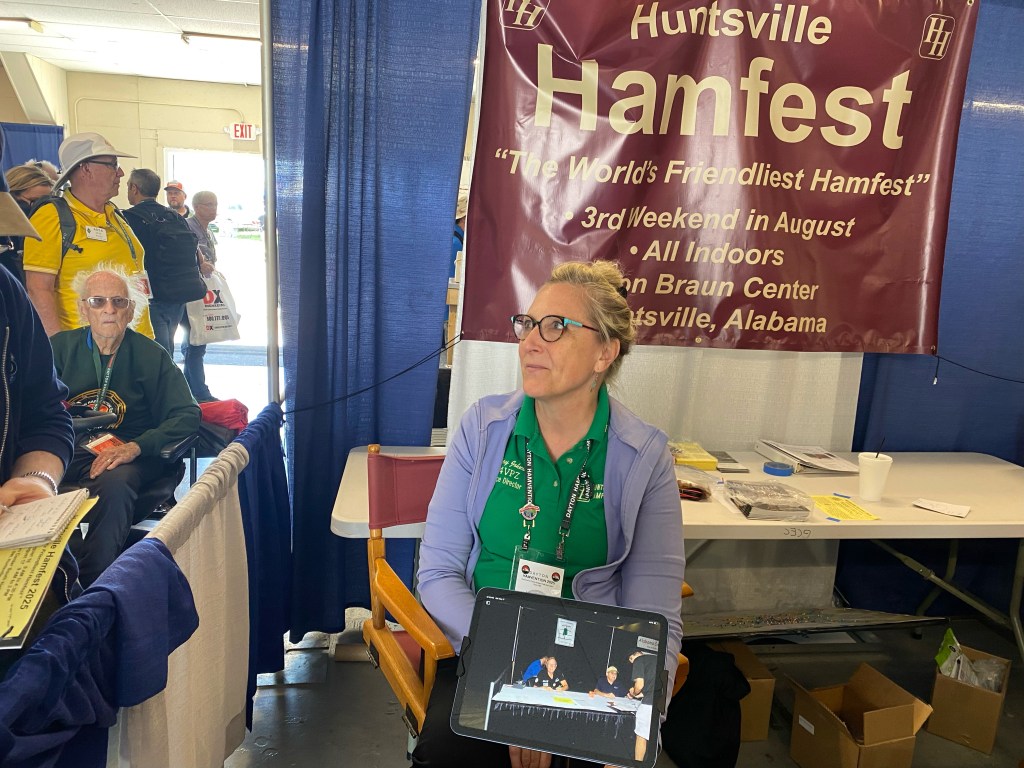
Other amateur radio convention organizers also attend to promote their own events. Huntsville Hamfest, held annually in Huntsville, Alabama, is one such organization. Mark Brown, N4BCD, is the chairperson for the Huntsville Hamfest Association. “Ours is the third largest Ham radio convention in the country, behind Dayton and Orlando, Florida,” Brown said. “We all cooperate and help support each other’s events.”

Mark Brown, N4BCD, and Kelley Johns, W4VPZ, (pictured) provided information about the Huntsville Hamfest in Alabama.

Brown suggested the consistent growth of these events and interest in amateur radio is due in part to younger people learning about its technical diversity. “I think to attract kids, we’ve got to show different aspects of the hobby, like the satellite communications, the youth on the air, and the parks on the air,” he said. “Get youth involved in it. That’s one thing these events do is bring all ages together.”

Planning for next year’s Dayton Hamvention is already underway. For more information visit hamvention.org.

Those thrilling days of yesteryear

In Children and Family, Entertainment, Media, Movies, National News, Opinion, sociology, television, Uncategorized on July 9, 2013 at 8:39 am

DIH LOGOThe Lone Ranger first debuted in 1933 from the studios of WXYZ radio in Detroit, Michigan. Created by station owner George W. Trendle and writer Fran Striker, the character is said to have been based on the exploits of Bass Reeves, a real life federal peace officer who worked in Indian Territory during the late 1870s. Accompanied by his trusty Indian sidekick, Tonto, and themed by the thrilling rhythm of Gioachino Rossini’s operatic William Tell Overture, The Lone Ranger became an immediate success.

By the time that last surviving ranger hit the airways Wild West lore had been incredibly popular for more than two decades, particularly in dime novels, on the radio and in traveling shows. Originally aimed at children, it is estimated that more than half the audience for the program were adults, many of whom had grown up with stories about western legends like Billy the Kid, Bat Masterson and Wyatt Earp.

Unlike his historical counterparts who clearly had bad sides to their character, The Lone Ranger would be the ultimate good guy, with a mask to both maintain his anonymity and help confound corrupt government officials as to his true nature. In order to keep continuity for the character, the original writers created a set of guidelines that established who and what The Lone Ranger is meant to be. Some of the guidelines were a little silly, but others far ahead of their time.

For example, one of the rules stated that the Ranger would never be pitted against an adversary who was not American so as to avoid criticism from minority groups. In other words, it was already practicing political correctness. Another said that he could never drink or smoke and any “saloon” scenes had to be portrayed as cafes with waiters serving food instead of bartenders pouring drinks. One of the most interesting was a rule that stated he would always use perfect grammar and diction, devoid of slang and colloquialisms.

Many people who remember those days believe that actor William Conrad, star of the 1970s P.I. show, “Cannon,” was the original voice of The Lone Ranger on radio, but that is not so. In fact, Conrad voiced another famous western lawman, Gunsmoke’s Marshall Matt Dillon.

In 1949, the show made the ultimate leap from radio to the fledgling technology known as television, with Clayton Moore donning the famous mask and Native American actor Jay Silverheels as Tonto. After eight seasons on ABC, two of which with a different actor in the lead role, the show was cancelled in 1957. A year later, a theatrical feature was released starring the TV actors in a new adventure but the demand for the masked man never quite returned to its former pitch, though a couple of other failed attempts were made to return him to both the theatre and the small screen.

In 1981, a big screen version of The Lone Ranger was met with the harshest of criticism and dismal box office receipts. The movie failed partly because it was just a bad film, but mostly because the producers sued former star, Clayton Moore, to forbid him from wearing the signature mask in public appearances. Who says there’s no such thing as bad press?

The most recent incarnation of the Masked Man hit the silver screen this summer as a tongue-in-cheek Disney flick featuring Armie Hammer as Ranger John Reid (The Lone Ranger) and Johnny Depp as his trusted Indian partner. Unfortunately the campy tone that worked so well for Depp in the Pirates of the Caribbean series falls flat in this film, detracting from the nature of the characters and overshadowing the story.

Disney had the opportunity here to introduce two beloved characters of Americana to a new generation. But, instead of using the elements that made the show a success originally, they changed the formula and merely created another summer flop from a classic franchise. Hopefully, The Lone Ranger has not forever ridden off into the sunset and will get another chance to let audiences experience, “a cloud of dust and a hardy ‘Hi-Yo Silver!’”


Is this your new site? Log in to activate admin features and dismiss this message
Log In