Deer In Headlines II
By Gery Deer

A long time ago, in a glowing box, far, far away, radio was the primary means by which most Americans received their news and entertainment. Frontline news from overseas wars, sketch comedy shows, and soap operas – all of it started on the radio. Growing up, I spent hours listening to the radio, everything from music and radio plays to late-night talk shows and Casey Kasem’s American Top 40 countdown.
Nearly all of these are gone now, but if you listen closely, you can still hear it—the crackle of an AM signal, the smooth transition of an FM dial, and the hair-raising tones of the emergency broadcast system. Well, OK, that one’s not so nostalgic. But is such a long-running, analog medium still relevant in a digital era of podcasts, streaming services, and algorithm-driven playlists?
Despite predictions of its demise, radio lives. According to Nielsen’s Q3 2023 Total Audience Report, radio remains the most popular media in America, reaching 84% of the population aged 18 and above. That’s right—more people tune in to traditional radio than watch television or scroll endlessly through social media.
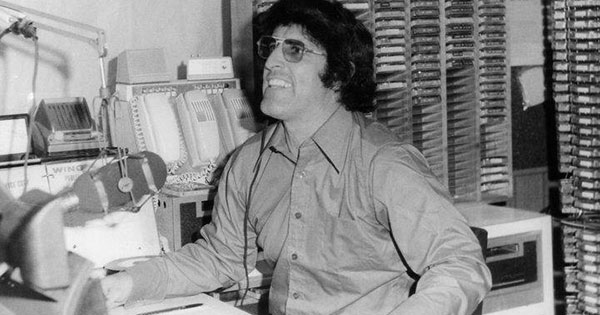
Radio is still around because, for the most part, stations and owners have adapted, shifting to digital platforms, streaming services, and podcasts. For example, this column’s podcast counterpart is featured on iHeartRadio, which operates more than 850 stations nationwide.
Additionally, over-the-air broadcasting remains a popular option, particularly in cars. Every week, approximately 92% of Americans listen to the radio—roughly 272 million people—proving that radio remains the dominant medium for commuting.
Local radio ad revenue, however, isn’t what it once was. In 2025, sales are expected to reach only around $2.4 billion—a sharp contrast to the nearly $22 billion radio generated just 20 years ago. Radio stations have had to rethink their business models due to stiff competition from digital platforms. Some have survived and prospered by embracing digital, while others struggle to keep the lights on.
Cumulus and Townsquare Media recently shut down twenty radio stations. Many of these were AM stations that had lost their audience decades ago, unable to compete with the convenience of streaming. While this thinning of the herd might seem like bad news, some argue it’s a necessary evolution—fewer stations mean less competition for ad dollars, potentially stabilizing the industry.
That said, AM remains profitable, thanks in part to FCC deregulation by Presidents Reagan and Clinton, and conservative talk programming has become its cash cow. Unlike the early 1980s, when call-in talk shows were relatively new, less restrictive laws eventually allowed companies to own and operate nearly unlimited radio stations.
Suddenly, extreme political hosts like Rush Limbaugh, who held the daytime ad money, reached millions over a network of AM stations. More entertainment-focused programs, such as Sally Jessy Raphael’s call-in show, also thrived, ruling the airwaves at night.
Then there’s traditional radio’s subscription-based cousin – satellite. Since its inception, satellite radio has been marketed as the premium alternative—no static, initially with no commercials, and a seemingly infinite selection of niche stations.
Satellite radio carved out a loyal audience, particularly among drivers who want uninterrupted entertainment on long commutes. SiriusXM, the dominant player in the satellite radio market, boasts over 34 million subscribers. While that’s a fraction of traditional radio’s reach, it’s still significant, proving that people are willing to pay for curated content.
Satellite radio offers exclusive content—think Howard Stern and live sports. However, it faces stiff competition from podcasts, which offer similar content for free. Streaming services like Spotify and Apple Music offer listeners more control over their audio experience, making it harder for satellite radio to justify its subscription fees.
Even with these checkmarks in radio’s “cons” column, in my opinion, there are still plenty of pros, so long as the medium continues to evolve. “Because that’s how we’ve always done it” isn’t a phrase anyone working in radio wants to hear from management these days.
Whether it’s delivering local news, playing your favorite tunes, or keeping you company on a long drive, radio is still a faithful companion for whatever you’re doing. If you don’t believe me, turn on your car stereo. Chances are, you’ll find something worth listening to.
 The Jamestown Comet