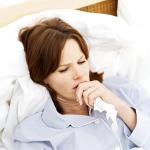
 DEER IN HEADLINES
By Gery L. Deer
When I was helping to care for my mother towards the end of her life, my cousin and I did everything we could to limit her exposure to even the slightest sneeze or sniffle. Everything from the bed rails to the wheelchairs was repeatedly and regularly wiped down with antibacterial solutions to prevent her from picking up a random bug that, in her weakened condition, could possibly be life-threatening.
Of course, we couldn’t protect her from everything. From time to time, we would have to take her out of the controlled environment of her home for doctor visits, family functions and sometimes just to give her some fresh air. But what I grew increasingly paranoid of was the amazing number of people who would go about their day suffering from severe colds or other illnesses, seemingly ignorant to the potential dangers they posed to others.
Despite other achievements, medical science is still remarkably ignorant of the common cold and its associated contagions. Doped up on symptom-hiding chemicals, people plod blearily through the day without a second thought to the fact that they could make others seriously ill just by being the last person to push a door open or use a shopping cart.
More mind-blowing are the numbers of healthcare workers and restaurant servers who go to work sick and are allowed to remain at their post. This is just ridiculous. I understand that it’s hard to take a day off when you’re working hour by hour but by staying home you may be losing a few bucks but you might be keeping someone else from becoming deathly ill, and getting yourself back to health a bit faster.
So how do you know when you should call in sick? On Tuesday, November 20, Dr. Holly Phillips, on CBS This Morning’s Health Watch, offered these suggestions for knowing when you should stay home. “It’s hard to know when you should call out sick,” she notes. “A fever, particularly in the 101 – 102 degree range, accompanied by aches and pains, might signal the flu, and you should definitely stay home.”
“A milder fever, sore throat white patches on tonsils indicates a strep infection and it’s probably time for some antibiotics, so a doctor visit is recommended,” she says. “A low grade fever coupled with a cough and sniffles mild signal a mild cold, so it’s your choice to stay home or not. But if you choose to go to work, be kind to your co-workers and wash your hands often and cover mouth and nose when coughing or sneezing and don’t handle food.”
Researchers say that the common cold costs American business more than $25 billion every year. More than $17 billion of that loss is attributed to people who go to work sick and are therefore less productive. In my opinion, wives tales and ignorance are also major contributors to that loss.
For years, people thought a cold or other infections illness came from being outside in the rain or by not wearing a coat outside on chilly days. These behaviors lower the immune system, but colds and other diseases come from other people through some kind of contact, either person-to-person, or person-to-object. We spread these things ourselves, no divine intervention is required. In the end, it’ll be our own ignorance that kills us.
I’m not a doctor, but I can tell you from my own experiences that the number one part of preventing colds and flu is in sanitation. Maintaining a clean sink and toilet, using liquid instead of bar soaps, paper towels or air dryers and, when you can’t wash, antibacterial wipes and gels.
An ounce of prevention really is worth a pound of cure. If you do have a cold or some other issue that has you sneezing and coughing all day, please consider those around you. Had we not been so proactive, my mother could have died much earlier from complications of what to some people are just minor respiratory issues.
If you work in food service, stay home. If you work in medical care or around kids and the elderly, stay home. And as they always say, get lots of rest and drink plenty of liquids.

 The Jamestown Comet